Tymur Chmeruk leads editorial coverage at Europäische Morgenpost and The Transatlantic Standard. Both publications are published by LLC CCS.
He leads coverage of German federal legislation, European Union institutions and economic regulation. His editorial responsibilities include standards for verifying primary sources and explaining the consequences of public decisions.
Coverage draws on parliamentary filings, EU legislation and regulatory decisions. Explainers show how these procedures work and who is affected.
EU leaders met in Dublin for their first AI-focused discussion, but approved no new spending. The debate turns next to the EU budget, energy needs and jobs in 2027.
Rome rejects suggestions it opposed Berlin joining the UK-Italy-Japan fighter programme. Observer status is a proposal, not approved membership or an agreed industrial role.
Merz, Macron and Burnham are convening Ukraine's supporters in Berlin. Postwar guarantees are on the agenda, but no deployment or binding new commitment has been announced.
A Bundestag committee proposes €122.97bn in new 2027 borrowing while counting only €38.43bn against the ordinary debt-brake ceiling. The distinction matters for defence, investments and future liabilities.
An opposition motion challenges the optional EU corporate form promising digital registration in 48 hours for at most €100. Neither the motion nor the EU proposal is law.
EU institutions, Germany, France, Britain, Italy and Poland will coordinate Europe's role in Ukraine negotiations. Russia has not accepted the format and no ceasefire was agreed.
German lawmakers approved limited covert intervention powers for intelligence agencies, alongside oversight changes and objections from civil-rights groups.
A supplementary EU antitrust notice details the cost methodology behind allegations about PPC electricity sales from 2013 to 2019; no ruling has been made.
Germany's budget committee raised planned 2027 infrastructure borrowing, but the real test is whether it adds investment rather than shifting spending between budgets.
The EU has signed a grant agreement to develop deployable submarine cable repair equipment for the Baltic Sea. The October project selection and separate €40m call are distinct milestones.
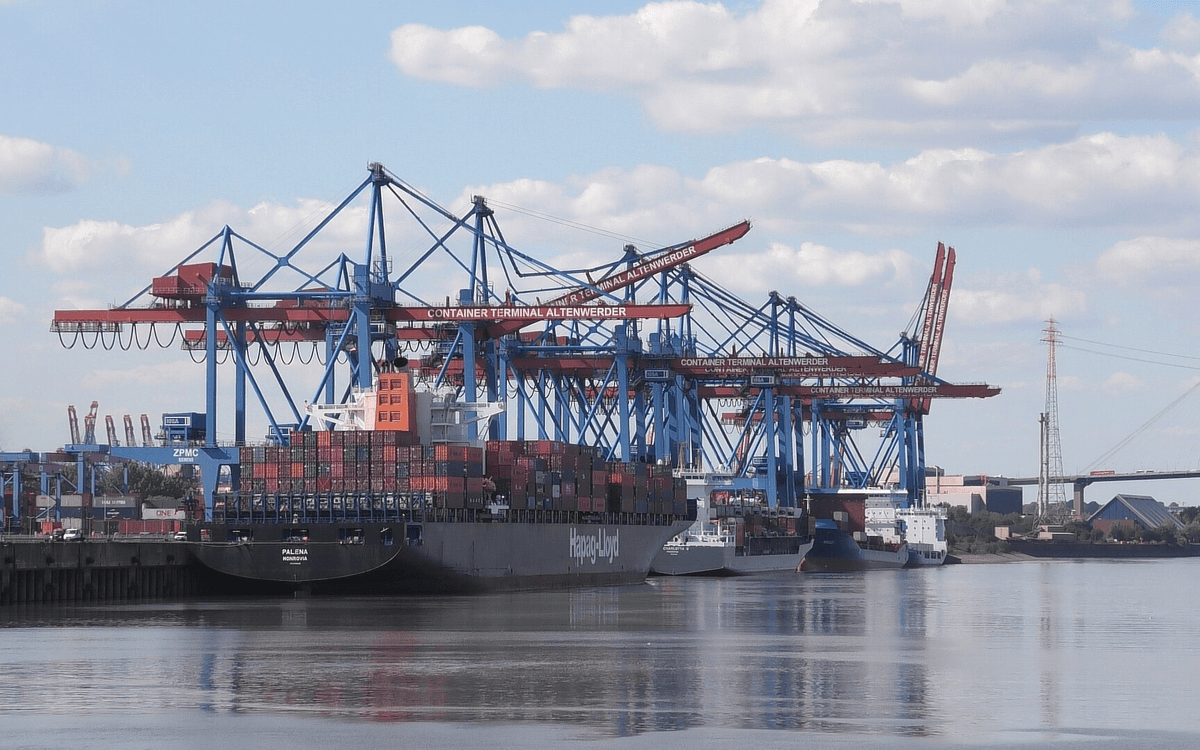
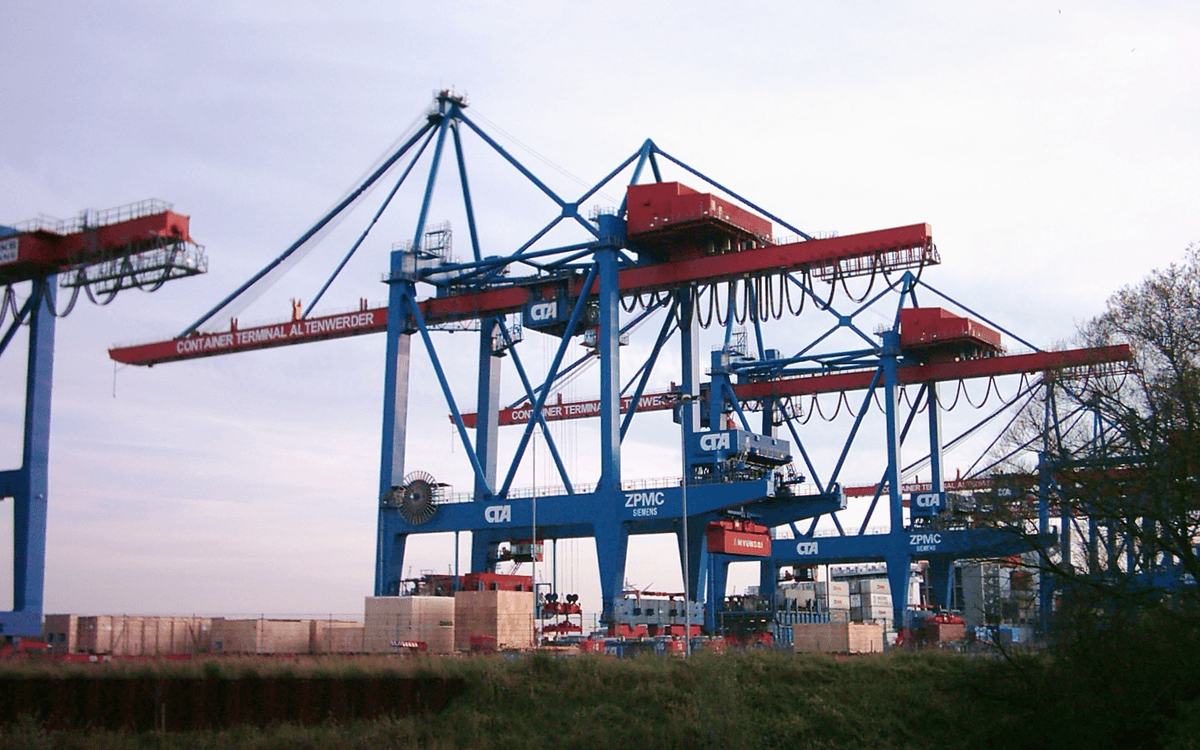
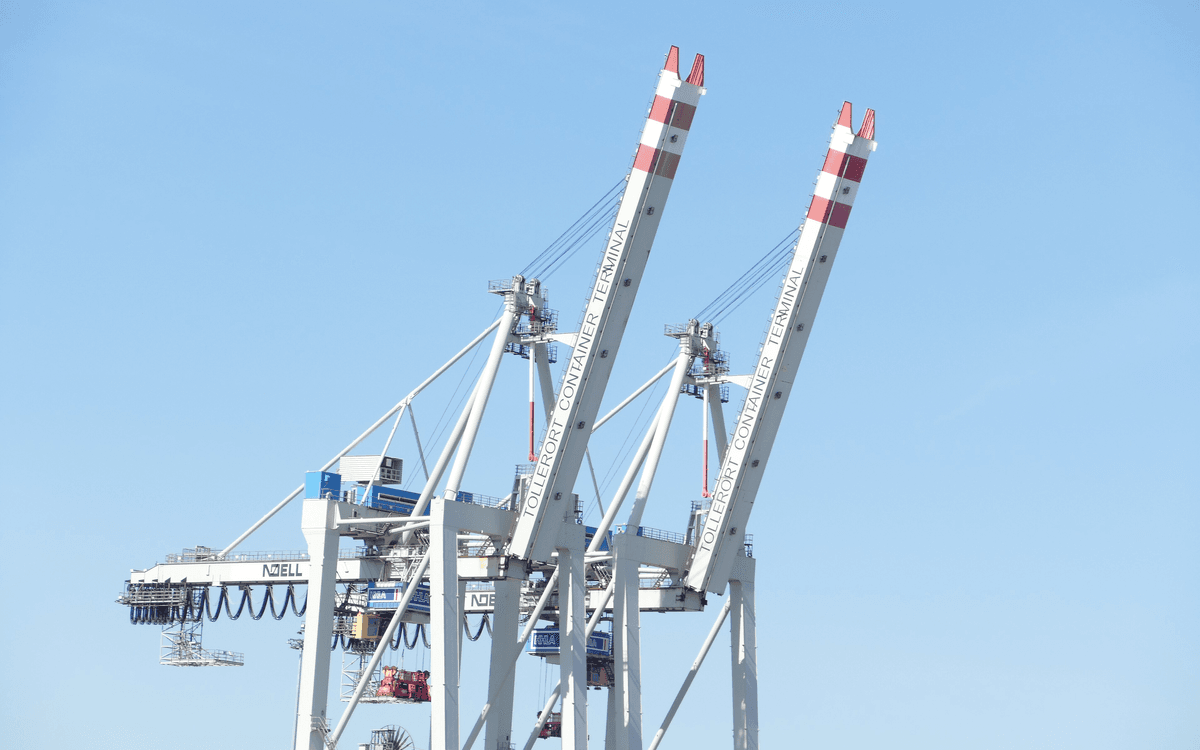
Hamburg may provide two €143 million grants to replace deteriorated quays. The Commission says the projects preserve existing cargo operations and will not expand port capacity.
The European Commission has closed its preliminary NS probe after new rules for selling retired trains. First public sales are expected from September 2027, not yet completed.
German lawmakers raise KulturInvest to €280.7 million and earmark €50 million for heritage, but funding remains conditional as the draft 2027 budget advances.
The Commission invites Member States and private consortia to propose mobile-network drone detection trials by 28 February 2027. Funding for pilots remains a possible later step.
The EU and Australia signed their Horizon Europe association agreement on 12 November. Transitional rules are expected to allow Australian entities to seek Pillar II funding from January 2027.
The Bundestag's digital committee discussed hidden recording through camera glasses. The regulator says existing rules do not prohibit the models it reviewed; no new law or general ban has been adopted.
An amended German tax bill retains a proposed rise in certain tax interest rates to 3.6% from 2027, while scrapping a change that could hurt longer work assignments.
At a Bundestag hearing, doctors challenged proposals to ease patients' proof of medical errors while insurers backed stronger rights. The opposition bill is not law.
A Bundestag committee backed minimum initial research contracts and explicit qualification goals. The proposal still faces a plenary vote on 12 November.
The Commission has proposed safeguards against fake scarcity warnings, subscription traps and hidden influencer advertising. No new bans are yet in force.
The government says 600 medicines within the federal drug regulator’s remit have faced supply shortages so far this year. German law sets out when authorities can intervene.
Local groups have installed markers on deportation, forced labour and persecution at 13 rail sites. The DB Museum in Nuremberg will present the projects from 13 November.
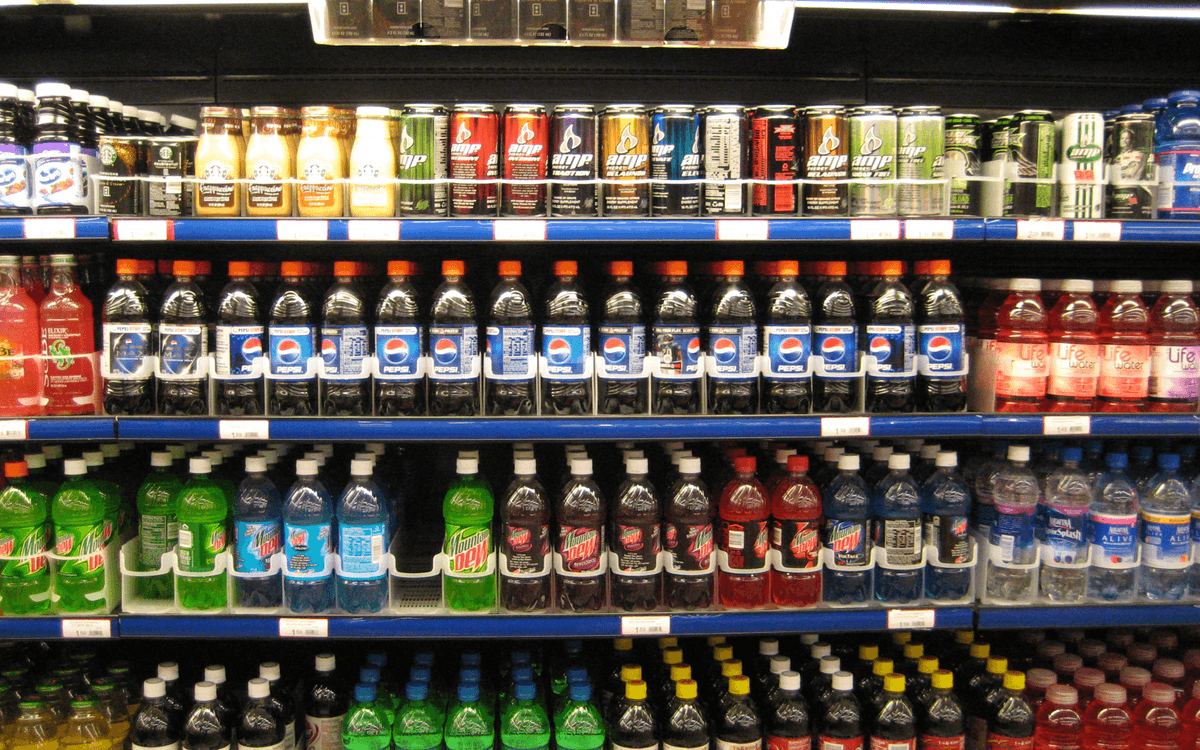
Certain drinks would face an excise tax from five grams of sugar per 100 millilitres. At a Bundestag hearing, industry and union representatives raised costs and prices while health experts pointed to possible benefits.
WiFi4MD aims to bring free public Wi-Fi to at least 30 localities. Municipalities can propose sites until December 15 and must cover recurring costs after the first year.
Net emissions fell by 1.6 percent in 2025. Additional national measures would bring the EU within one percentage point of its 2030 target, the European Environment Agency projects.
Germany’s government proposes raising the amount of course and exam fees eligible for aid. Unions want living-cost support for workers who cut their hours to train for an advanced vocational qualification.
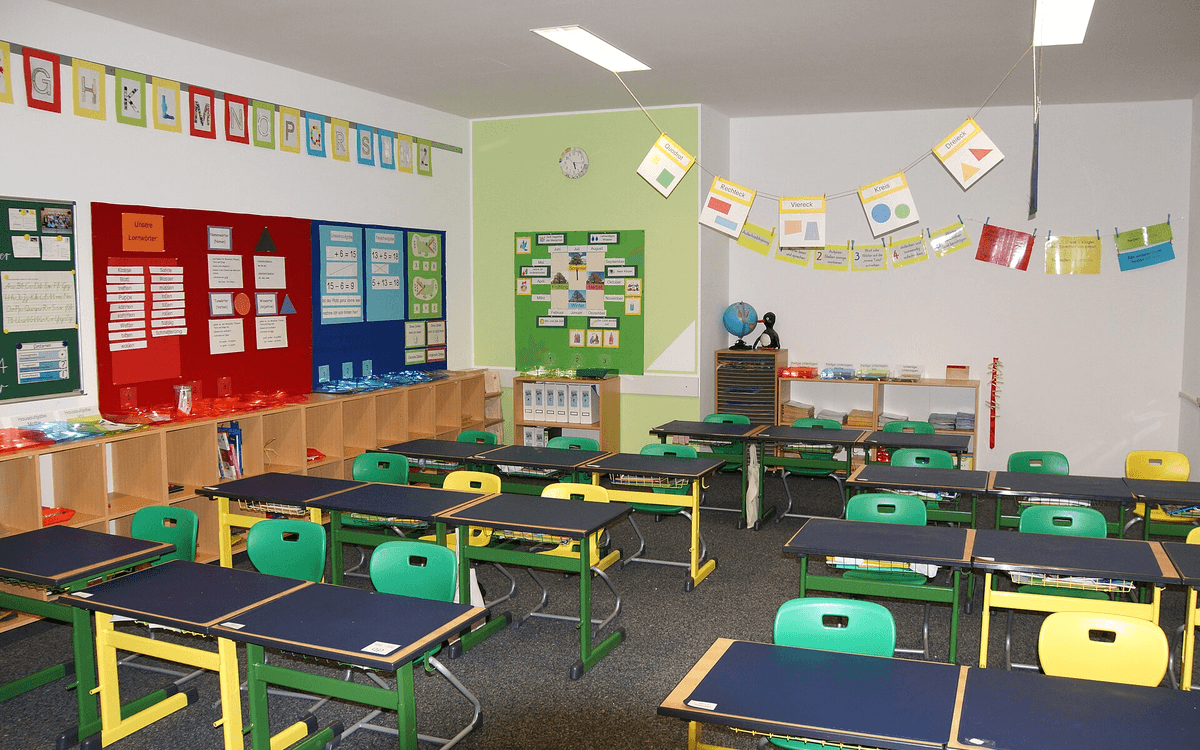
About 2,660 are primary schools. The programme pays for investment, school development and additional staff at schools with many socially disadvantaged pupils.
Goods exports rose 2.0% from August, led by shipments to EU markets. Imports grew faster, while exports to the United States, China and the United Kingdom fell.
Frankfurt’s regional court found that Hesse gave inadequate reasons for extending its rent cap through November 2026. The state is preparing a replacement for 71 municipalities.
EU finance ministers take up a draft on minimum duties for tobacco and newer nicotine products on November 9. The European Parliament rejected the original proposal. Agreement in the Council requires unanimity.
The European Commission has given a positive preliminary assessment to Finland’s final recovery-fund request. A committee opinion and formal approval are still due before payment.
Germany’s Bundestag voted to give cities more options for electric-vehicle parking fees. The bill would also extend the framework to electric buses and heavy commercial vehicles.
Germany’s lower house voted to raise the minimum sentence for covered sexual offences and robberies involving spiking drugs or other dangerous means. The bill now goes to the Bundesrat.
EU regulators say TikTok did too little to protect minors and vulnerable adults from repeated recommendations of potentially distressing videos. TikTok disputes the preliminary findings.
The European Commission says importers can record electricity in their own systems and follow with a supplementary declaration. Customs can check the supporting documents after release.
Indian research organisations could apply directly for EU grants and lead joint projects under part of Horizon Europe. The EU envisages a January 2027 start once both sides complete the required procedures.
EU governments want to move the first requirement for equivalent methane checks to 2028. The European Parliament wants longer deadlines and would exclude certain restricted imports from the delay.
The EBA is moving the first planned reference date from September to December 2027. Selected returns on liquidity, asset encumbrance, benchmarking and ESG are slated for December 2028.
Pablo Hernández de Cos and Klaas Knot have been nominated to succeed Christine Lagarde. Euro-area finance ministers will review the nominations on 9 November.
The Commission has opened the process for the 2027 solidarity pool. Irregular border crossings fell by 32% in the year to June, but the pressure on reception systems varied widely by destination.
German production rose 0.7% in September from August, led by a rebound in car manufacturing. Output still fell 0.4% in the third quarter from the second.
Germany's regulator will include 2026 market data when setting gas networks' return on capital. A fresh consultation is planned for the second quarter of 2027, with a final decision expected in late summer.
The European Innovation Council’s 2027 programme offers more than €1.8 billion in funding opportunities. Advanced Innovation Challenges rise to €25 million from €6 million, while the Accelerator falls to €578 million from €634 million.
The payment combines €3.7 billion in macro-financial assistance with €658 million for defence procurement. Further available funding for 2026 remains conditional.
EU rules set a shared baseline for sanctions offences and corporate penalties. The 5 November talks focus on how payment routes and national investigations connect.
Parliament's administration reports six confirmed device infections. A separate email-bombing attack is triggering about ten million filtered messages a day; the perpetrators remain unknown.
Germany's telecom bill would expand access to fibre networks and building wiring. Consumer and tenant groups want different cost rules; a separate pricing consultation runs until 16 November.
Germany proposes suspending the 2027 Wohngeld increase, halving the heating-cost component and changing the formula. About 1.3 million households received the benefit at the end of 2025.
Indicative targets for Montenegro, Albania, Moldova and Ukraine structure negotiations. Council decisions, a treaty and ratification remain separate steps.
The platform aims to widen access to design software, intellectual property and manufacturing capacity. The Commission cites €525 million as an investment target.
CDU/CSU and SPD back the bill to strengthen customs. Opposition parties challenge asset-confiscation provisions and the absence of a promised joint centre.
A parliamentary answer separates fuel suppliers' obligations from production requirements. The government points to state guarantees to support e-SAF expansion.
The government's bill links electronic receipts with new cash-register requirements. The key distinction is between a customer receipt and an auditable transaction record.
A government bill would remove the existing ban on market borrowing. Its first reading is scheduled for 6 November, according to the Bundestag's report.
State representatives and the armed forces association backed faster building, while environmental critics challenged proposed exceptions. The measure remains a bill.
Experts criticised the planned auction model from different directions. Grid and industry representatives also sought answers for sites already awarded but not yet developed.
Experts broadly supported planned language support but told a Bundestag hearing that collecting data would need to be matched by practical help and reliable resources.
Unions, business associations and tax specialists criticised proposed changes to tax-free pay supplements, travel expenses and reporting requirements at a Bundestag hearing. The account concerns a bill under consideration.