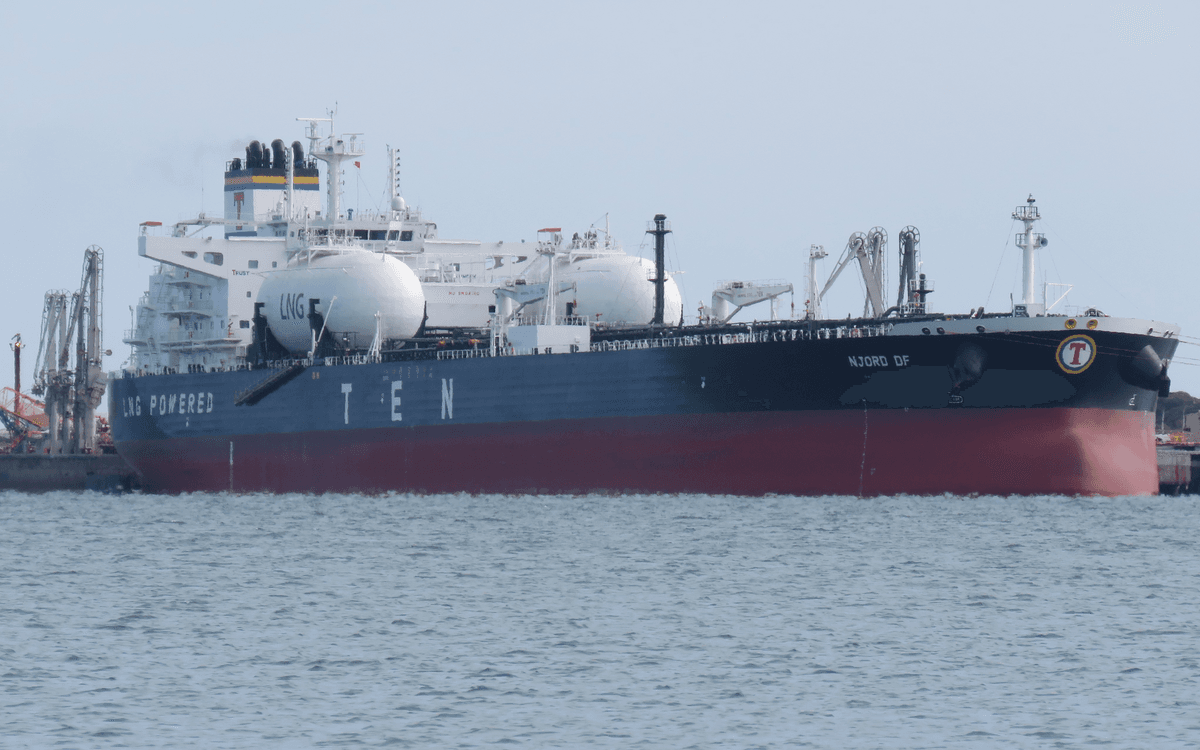
EU naval personnel from EUNAVFOR MED IRINI boarded the tanker MV MIDAG in the Mediterranean on Friday, 13 November 2026. According to EU foreign policy chief Kaja Kallas, the inspection established that the vessel was sailing under a false flag. Kallas announced the operation on Sunday, 15 November. No seizure of the tanker or cargo has been confirmed in the reports reviewed, and the additional sanctions she discussed had not yet been adopted.
The incident follows an expansion of IRINI's mission to counter Russia's so-called shadow fleet. It raises a precise question: what can EU naval forces lawfully investigate on the high seas, and which restrictions require a separate sanctions decision?
Key facts
- Kallas said EU personnel boarded MV MIDAG on 13 November and disclosed the operation on 15 November.
- She cited Article 110 of the UN Convention on the Law of the Sea and said the ship's flag claim proved false.
- The EU Council extended IRINI through 31 March 2029 on 9 October, expressly adding work to constrain the shadow fleet.
- Kallas said more sanctions listings were expected on Monday, 16 November. They were prospective, not already in force on Sunday.
Why the false flag matters
Ships on the high seas normally come under the jurisdiction of the country whose flag they lawfully fly. Article 110 of the UN Convention on the Law of the Sea nevertheless permits a warship a limited right of visit in specified circumstances, including reasonable suspicion that a ship has no nationality or is falsely claiming the flag of another state. It is not a blanket right to inspect every tanker suspected of evading economic sanctions.
Kallas said the boarding confirmed MV MIDAG had sailed under a false flag. The reporting available so far does not disclose the registration documents checked, the cargo, the vessel's precise chain of ownership or subsequent actions by national authorities. Its classification as a suspected Russian shadow-fleet tanker comes from statements attributed to the EU foreign policy chief, not a separately published vessel investigation.
The term shadow fleet covers tankers and supporting businesses suspected of moving Russian oil using opaque ownership structures, registration practices and insurance arrangements. A legitimate third-country registration is not inherently unlawful. Checking a ship's nationality, sanctioning an owner and detaining the ship are legally distinct steps.
That distinction matters for shipping companies, insurers and buyers. A falsely registered vessel presents a different legal issue from a properly flagged ship owned by a company subject to EU restrictions. Specific consequences for MV MIDAG should not be asserted before competent authorities publish further decisions or evidence.
How IRINI's mandate has changed
IRINI was established on 31 March 2020 primarily in connection with the United Nations arms embargo on Libya. Its other tasks include monitoring possible oil smuggling and maritime security risks. The European External Action Service's report on October 2026 records 407 radio inquiries to merchant ships, one consensual ship visit and monitoring of 83 suspicious flights that month. These are October operational figures, not a count or outcome of the November MIDAG boarding.
The Council adopted Decision 2026/2243 on 9 October 2026 and published it on 12 October. It extended IRINI from the previous March 2027 expiry to 31 March 2029. The expanded mandate adds efforts against the Russian shadow fleet, improved maritime domain awareness and support for critical maritime infrastructure protection. The EEAS describes surveillance, intelligence gathering and lawful flag-verification activity as tools available to the mission.
That broader remit does not remove the restrictions imposed by the law of the sea. The Article 110 authority cited by Kallas is also distinct from the earlier UN Security Council authorisation for certain inspections connected with the Libya arms embargo, which the EEAS says lapsed in May 2026.
Another decision is still ahead. Kallas said EU foreign ministers were expected on Monday to approve new listings affecting banks, oil buyers and companies supporting the shadow fleet. Only adopted and published legal measures establish exactly which parties are covered and what binding restrictions follow. Until then, the reported boarding and the anticipated sanctions package must be treated as separate developments.