Germany's Bundestag Finance Committee approved changes to the proposed 2027 Budget Accompanying Act on 12 November 2026, postponing a planned tax on sugary drinks until 1 January 2028 and exempting sparkling wine from a proposed duty increase. The coalition also wants to extend the alcopop tax to stronger mixed drinks, with a revised rate. These are committee-approved legislative proposals, not taxes that have already taken effect.
Key facts
- On 12 November the Finance Committee backed an amended government bill. Coalition lawmakers voted for it, while opposition groups voted against.
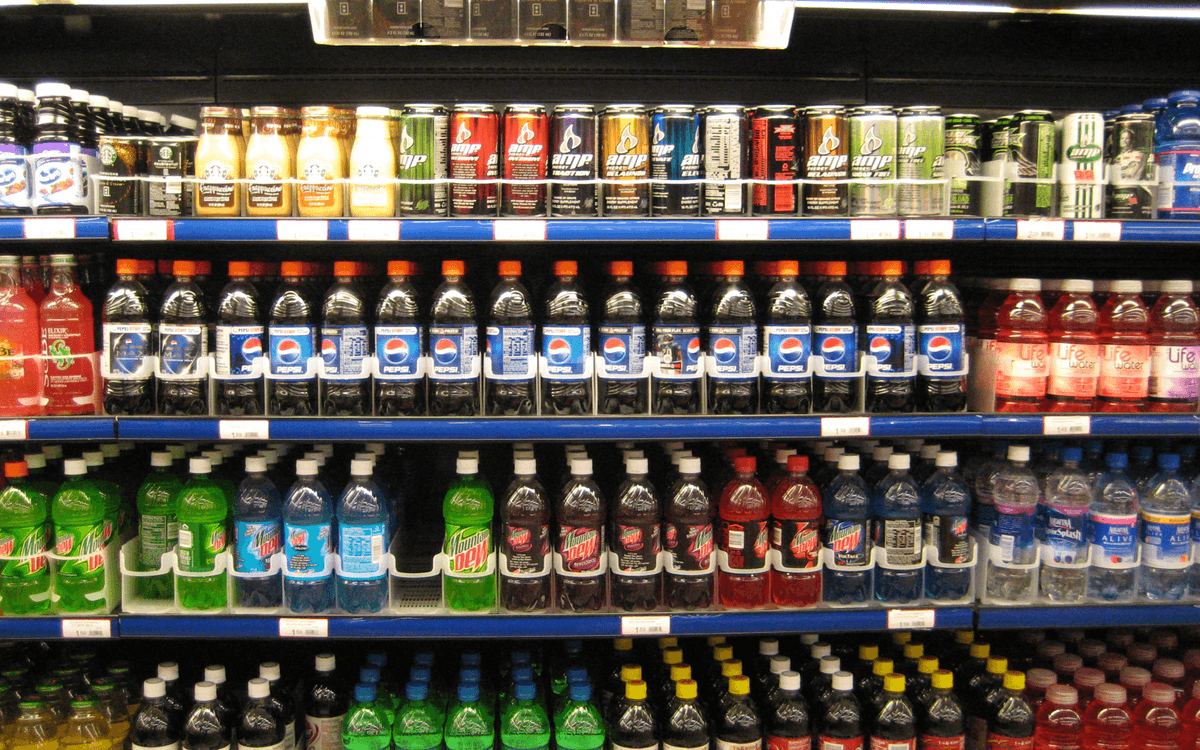
- A tax on sugar-sweetened drinks would start on 1 January 2028, six months later than previously planned, and would be introduced in three stages.
- A proposed increase in sparkling-wine duty would be removed. Alcopop duty would instead expand to mixed drinks containing up to 15% alcohol by volume.
- Parliamentary approval of an amendment is not enactment. Final legal obligations depend on the adopted legislation and its commencement provisions.
How the alcohol-tax compromise differs from the original bill
The government's September draft proposed 20% increases in alcohol duty, sparkling-wine duty, intermediate-product duty and alcopop duty. Officials presented the measures as part of a broader effort to consolidate the federal budget. At that point, the government's projected additional revenue was €380 million for 2027 and €455 million for 2028.
Those estimates describe the earlier proposal, not necessarily the version advanced by the committee on 12 November. Dropping the sparkling-wine increase and revising the alcopop base and rate alters the assumptions on which a revenue forecast would depend. The committee report does not provide a verified new total for the amended measures.
According to the CDU/CSU parliamentary group, the proposed 20% rise in alcohol duty from January 2027 would be the first increase for almost 44 years. The coalition said it wanted to spare sparkling-wine producers because of the difficult position of German winegrowers. The SPD said the plan did not introduce extra increases for beer or wine. Those statements explain the political compromise; they do not establish that new rates are already being charged.
The alcopop proposal takes a different approach. Instead of applying only to the narrower group previously covered, the duty would extend to mixed drinks with an alcohol content of up to 15% by volume. The proposed rate was reduced by 45% relative to an earlier design, according to the committee account. The coalition supplied an illustrative example: a 330-millilitre mixed drink containing 10% alcohol could carry roughly one euro more in duty-related cost. That is the proposal's example, not a measurement of retail prices.
Why the sugar-drinks tax has been delayed
The coalition now wants the proposed levy on sugar-sweetened beverages to begin on 1 January 2028, six months later than under the plan it amended. The parliamentary account says the rollout would occur in three stages. It does not, however, establish final tax thresholds for every type of drink or confirm a particular price change for a bottle of soda.
Supporters say the extra time would help manufacturers and customs officials prepare. The SPD said no additional customs-service positions were being created to administer the sugary-drinks levy. Separately, the amended alcopop provision would direct 1% of receipts, capped at €1 million, to addiction prevention.
The proposal has also exposed disagreements on procedure and distribution. Green lawmakers said postponement could help the sugar tax work, but criticised the late presentation of amendments and rejected the overall package. The Left warned that taxes on consumption can fall disproportionately on people with lower and middle incomes. The AfD demanded broader reversals of tax increases. Those are positions reported from the committee debate, not independently established economic outcomes.
What happens before consumers face new charges
The Finance Committee's vote advances amendments in the legislative process. It does not by itself create an enforceable new sugary-drinks tax or settle every aspect of the budget bill. Final parliamentary decisions and commencement dates will determine the rules that businesses must follow.
For manufacturers and retailers, preparation may eventually involve product classifications, recordkeeping and pricing decisions. None of those commercial consequences can be quantified from the committee report alone. For the government, the next test will be whether the final changes still produce the intended fiscal and public-health effects.
The confirmed change is the direction of the proposal: a later, staged sugary-drinks levy; no planned sparkling-wine rise; and an extended but recalibrated alcopop duty. The final revenue impact and effects on consumption remain to be demonstrated.