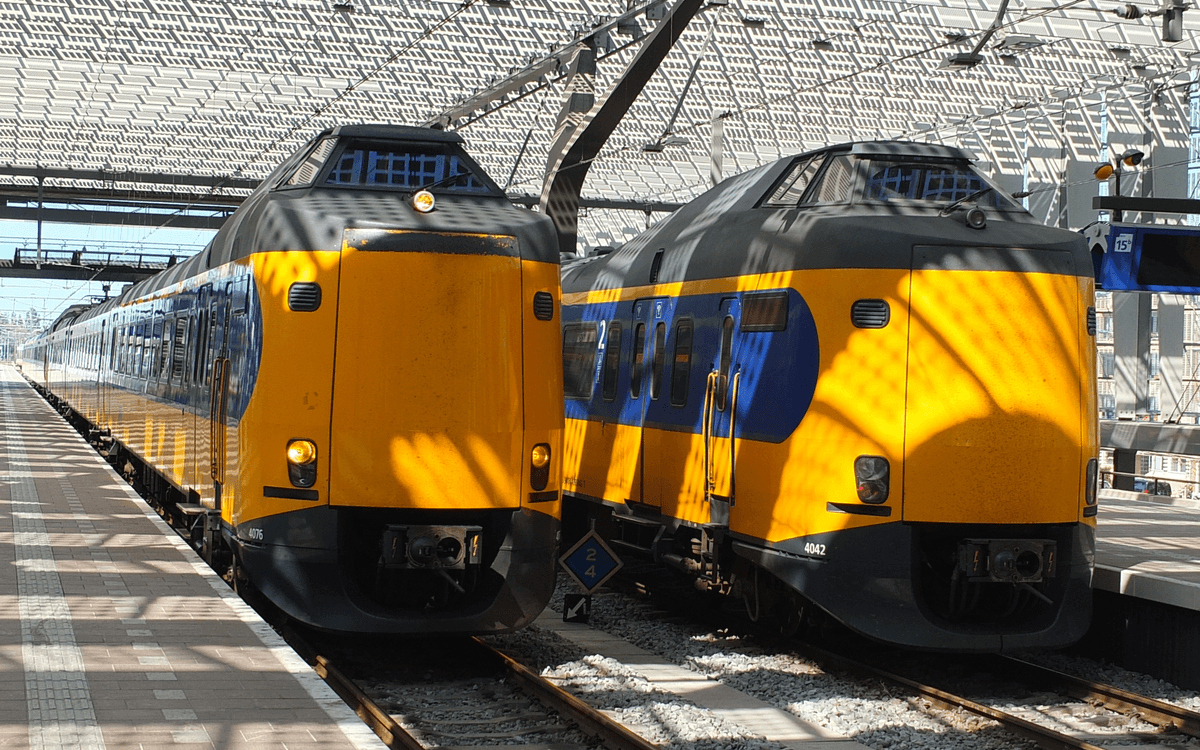
The European Commission closed its preliminary antitrust investigation into Dutch state-owned rail operator Nederlandse Spoorwegen (NS) on 12 November 2026 after the company published a new, open process for selling retired passenger trains. NS says it expects the first trains to be offered through the new website in September 2027. Ending a preliminary inquiry is not a ruling that earlier conduct complied with competition law, and it does not mean trains have already been sold under the new arrangements.
Key facts
- Brussels had examined whether NS's treatment of rolling stock leaving service could prevent rival operators from obtaining second-hand trains.
- NS published a six-step policy for advance listings, sales information, competitive bids and collection of vehicles.
- The first actual train offers are expected in September 2027, according to the operator; this is a prospective date, not a completed sale.
- Reporting on the Commission decision says the preliminary probe was closed after the policy change without a finding that previous practices were lawful or a fine.
What prospective train buyers will see
The new arrangement separates notice of an intention to sell from the sale itself. Under the published NS sales procedure, a series of trains will normally be listed roughly one year before the formal sale is expected to begin. Interested companies can use that period to arrange finance, study safety approvals, secure a place to store the trains, and find an organisation able to maintain them. An early listing does not automatically create an obligation to sell a particular vehicle to any particular applicant.
NS plans to identify the train series, estimated numbers of vehicles, indicative dates, age, technical characteristics and countries in which the stock is approved for operation. It will also publish its buyer conditions, including financial capacity, the designation of a keeper and an entity responsible for maintenance. Purchased trains must be used for railway operations. That restriction matters to potential entrants because buying a vehicle and obtaining the right to operate it on a specific railway are different steps.
Where two or more parties intend to bid, the formal competitive sale provides at least six months between advertising and the bidding deadline. After award, a buyer normally receives at least three months to collect the vehicles and transfer ownership. A detailed package on individual vehicle condition, fault history and maintenance is made available for a fee of €1,000 under the published procedure.
There are exceptions. If only one credible party expresses interest, NS may negotiate directly; if none comes forward, it may try again or dismantle the trains. Special circumstances can justify shortened timetables. The new rules therefore increase visibility and access but do not guarantee every potential buyer a successful bid, a set price or an unlimited quantity of vehicles.
Why an old train can matter to competition
A large established operator controls its existing rolling stock, including what happens after a fleet is withdrawn from service. Smaller train operators can face long lead times and high upfront costs for brand-new vehicles. Available second-hand trains may offer a quicker route into a market, provided they meet technical, maintenance and authorisation requirements. An opaque disposal system can therefore become more than a scrap-management issue: it can influence the ability of competitors to begin running services.
That was the concern behind the Commission's preliminary examination. The investigation concerned how NS handled passenger vehicles reaching the end of their service lives, including decisions to retain, sell or dismantle them. As The Brussels Times reported, the Commission considered the newly published approach sufficient to address its concerns, but its decision to close the inquiry was not an endorsement of all earlier behaviour.
NS says the policy responds to a real fleet transition. Almost 100 of its new ICNG intercity trains have already arrived, it says, while new DDNG and FLIRT services are expected from 2030. These additions replace older vehicles. NS has previously offered retired carriages on external sales websites, with mixed results: some were purchased and some found no takers. Remaining unwanted stock is dismantled, which the company describes as circular disposal.
The fresh website is intended to put interested buyers on a more equal informational footing and give them time to arrange the physical removal of rolling stock. This also matters to NS, which needs depot space for incoming trains rather than indefinite storage of vehicles it no longer intends to operate.
The regulatory outcome is immediate, but the commercial test lies ahead. Operators can assess the published rules now; actual offers are expected in September 2027. The evidence of whether transparency translates into fair access will be future listings, comparable information, credible bids and completed transactions. The Commission says it will continue monitoring the wider second-hand passenger rail market.