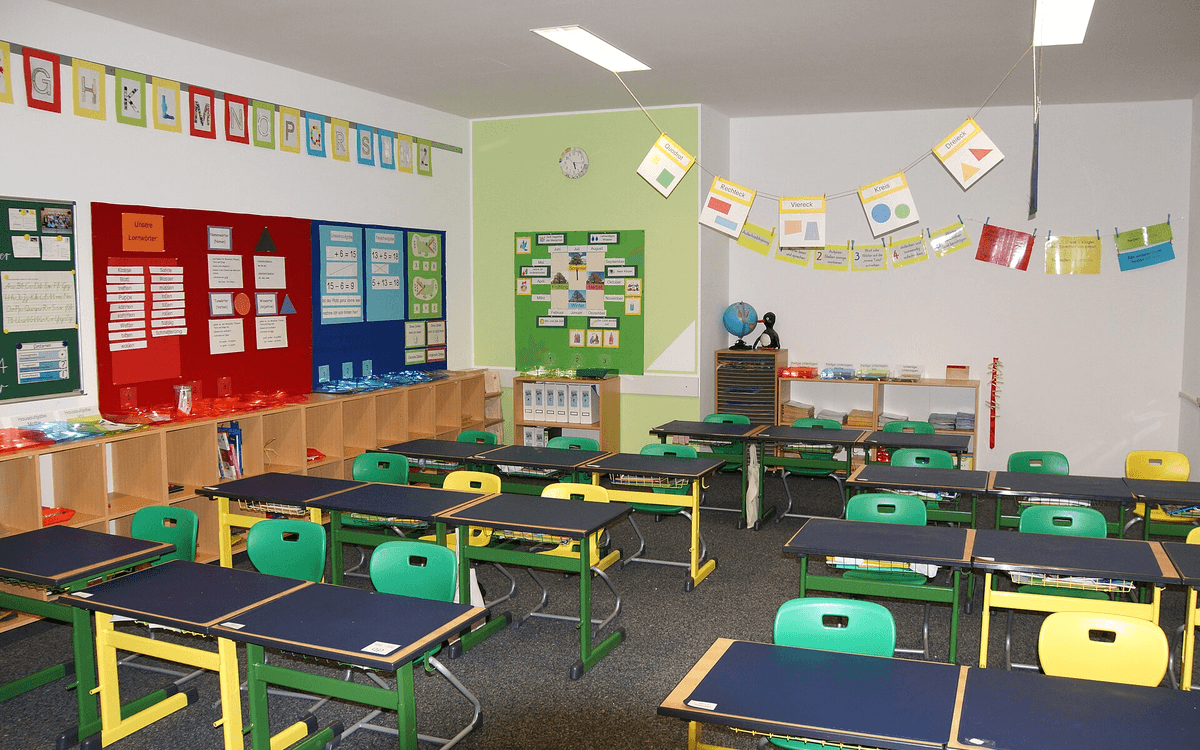
Around 4,000 schools took part in Germany’s Startchancen programme in 2026, including about 2,660 primary schools. The Bundestag published the figures on 9 November 2026 in its summary of a federal government reply to a parliamentary question. Participation is now around the scale the federal and state governments envisaged when they agreed on the programme in February 2024. It directs additional support to schools with a high share of socially disadvantaged pupils.
Key facts
- About two in three of the schools counted in 2026 are primary schools.
- The federal and state governments have earmarked around €20 billion for the ten-year programme. It started in 2024 and runs to 2034.
- State governments selected participating schools using criteria that account for social disadvantage.
- The funding covers investment, school development budgets and staff with different professional backgrounds.
Why so many primary schools are taking part
The programme focuses on primary schools because it aims to strengthen basic skills early. When the agreement was announced in 2024, the Standing Conference of the Ministers of Education and Cultural Affairs (KMK) expected roughly 60% of pupils receiving support to be at primary school. That target describes pupils. The Bundestag’s figure of about 2,660 counts schools. Secondary and vocational schools can also receive support. For vocational schools, the federal ministry highlights courses that prepare young people for vocational training.
The states selected the schools. The Federal Ministry for Education, Family Affairs, Senior Citizens, Women and Youth says the criteria had to take into account at least the shares of pupils affected by poverty and those with a migration background. States with their own indices of social disadvantage could use them. The number of participating schools allocated to each state follows a formula based on its share of federal programme funds at the start.
What the money is intended to pay for
The federal ministry says the federal government provides up to €1 billion in additional funding per year, with the states contributing on the same scale. The KMK set out three funding areas and their planned shares when the governments reached agreement. The percentages refer to the programme as a whole.
| Funding area | Planned share | Uses |
|---|---|---|
| Investment | 40% | School premises, infrastructure and equipment |
| School development budgets | 30% | Teaching and school development |
| Teams with different professional skills | 30% | Additional staff in a range of roles |
The school development budgets, known as Chancenbudgets, give schools room to address local needs. The KMK lists targeted support in German and mathematics as an example. The federal ministry says two thirds of each budget should go to areas set out in a common framework. The remaining third is available for other measures that meet local needs. Within that framework, states set out how schools can use and account for the money.
The federal government’s reply also explains the purpose of the investment funding. It supports projects intended to improve the conditions for learning and teaching at participating schools. The government says changes to that environment should benefit pupils, teachers and other school staff.
One aim is to halve the number of pupils at participating schools who fall short of minimum standards in German and mathematics by the end of the programme.
The participation figures show how many schools the programme has reached. An evaluation consortium is examining whether basic skills improve and whether the programme narrows gaps in educational outcomes tied to social background. The federal ministry says the consortium began work in autumn 2024. It is due to report findings to the programme’s steering group throughout the programme and assess outcomes at the end.