The European Commission approved two German state-aid measures for the port of Hamburg on November 13, 2026. The City of Hamburg may provide €143 million each towards replacement works at the Salzgitter and Steinwerder quays. Together, the €286 million in grants supports projects with combined investment costs of €551 million. The decision clears the assistance under EU competition rules; it does not establish that the money has already been disbursed or that construction has finished.
Two quays, two grants, different project costs
Key facts
- Salzgitter quay: €293 million in investment costs, supported by a €143 million grant.
- Steinwerder quay: €258 million in investment costs, also supported by a €143 million grant.
- Combined: €551 million in project spending and €286 million in city grants. The port authority will cover the balance through its own funds, bonds and borrowing.
- The Commission concluded that the grants cover no more than the projects' funding gaps and do not expand the port's capacity.
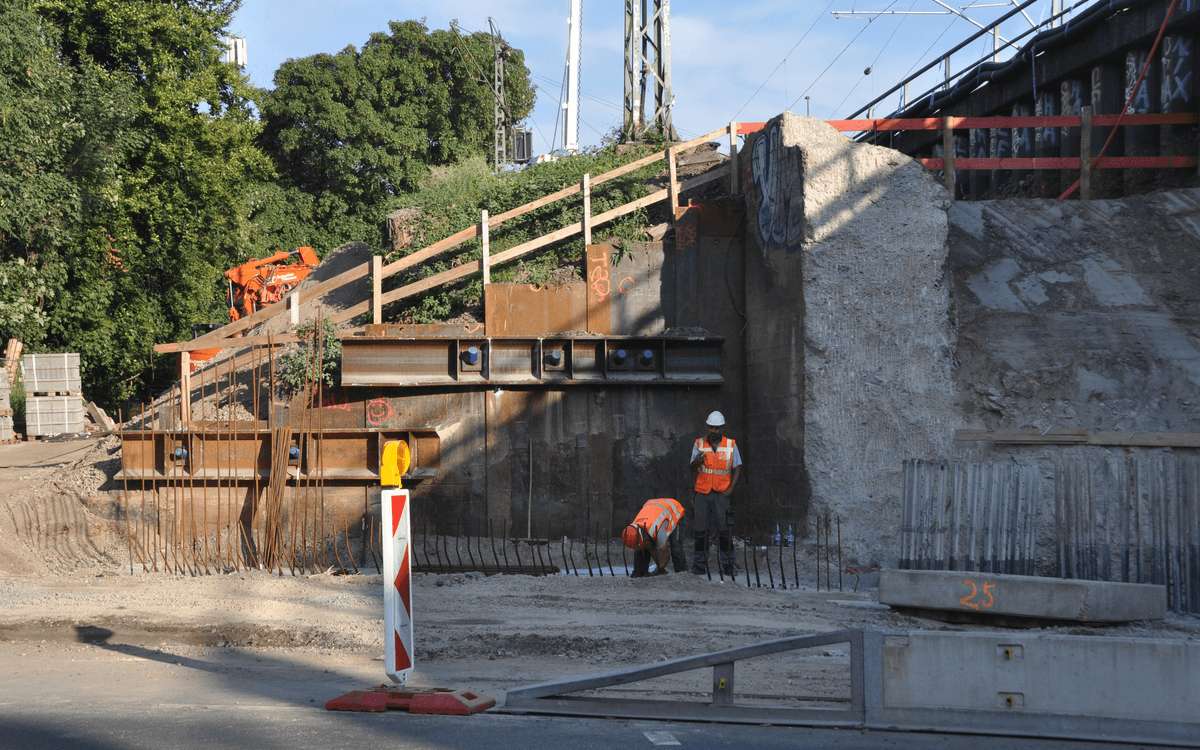
The work concerns replacement of deteriorated quay walls, not creation of a new container terminal. The Commission says the intervention is intended to maintain safe infrastructure and keep the port functioning. It specifically cites a risk of potential collapse at Steinwerder and the need to preserve bulk-cargo operations at Salzgitter.
Because the grants have the same face value but the investments differ, the remaining financing needs are not identical. Subtracting the announced support leaves €150 million for Salzgitter and €115 million for Steinwerder, €265 million in total. According to the Commission, the port authority will meet the balance from its own resources, debenture bonds and loans. These are German public grants from Hamburg, not a new €286 million transfer from the EU budget. Brussels assessed whether the planned local assistance was compatible with the single market.
The competition test and the construction timetable
The legal assessment was made under Article 107(3)(c) of the Treaty on the Functioning of the European Union. That provision can allow aid supporting an economic activity when its effects on competition and trade do not run contrary to the common interest. A publicly funded quay that supports commercial handling therefore still requires examination rather than automatically qualifying for an exemption.
The Commission offered three reasons for approval. First, preserving the facilities should prevent disruptions at a core port in the trans-European transport network. Second, the public contribution does not exceed the gap between project costs and expected revenues over the projects' lifetimes. Third, the works will not add handling capacity, which the Commission says limits the competitive impact on other ports. These are the regulator's stated findings under state-aid rules, not a guarantee that construction costs, operational risks or delivery dates cannot change.
There is a separate, earlier record of construction progress at Salzgitter. On July 13, 2026, the Hamburg Port Authority reported that it had begun replacing approximately 830 metres of quay in the Sandauhafen area. It projected completion by October 2030. The berth serves Hansaport's bulk-cargo business and has a water depth of about 17 metres, making it a significant location for large vessels.
The port authority also explained why the job is technically difficult. Cargo handling and berth availability must continue while specialist foundation works proceed. The project requires coordination around unexploded-ordnance clearance, private flood-protection arrangements and shipping movements. These details come from the port authority's July project account; they are not new commitments contained in the Commission's November decision.
For industrial customers, the practical objective is continuity of existing port service rather than an announced rise in cargo capacity. The decision does not itself set future port charges or promise cheaper transport. Its immediate effect is to authorise the specified aid under EU rules, allowing the projects and financing to proceed within those terms. Construction and the eventual non-confidential state-aid decisions are separate next steps. The approved figures are planned grant amounts, not proof of payments already made.