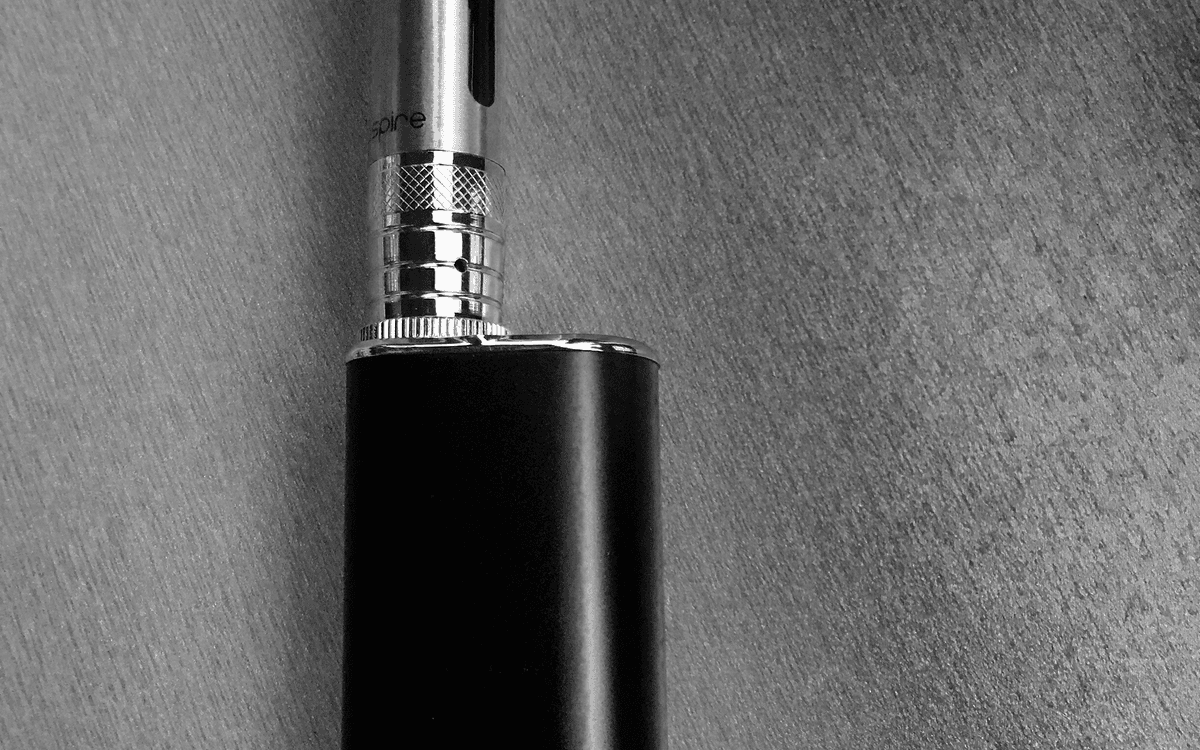
The Council of the European Union will consider a draft on common excise duties for tobacco and related products on November 9, 2026. The text for a general approach reached the Austrian Parliament on November 6 and is listed for the meeting of EU finance ministers in Brussels. For manufacturers and retailers, the issue is which goods would come under EU minimum duties and common controls. The European Parliament rejected the Commission’s original proposal. In this tax procedure, the decision still rests with the Council.
Key facts
- The existing EU directive generally requires cigarette excise duty of at least €90 per 1,000 cigarettes and 60% of the weighted average retail selling price.
- The Commission proposes higher minima and common rules for e-cigarettes, heated tobacco and nicotine pouches.
- The European Parliament rejected the Commission proposal on June 17, 2026, with 439 votes against, 181 in favour and 38 abstentions.
- A draft general approach is before EU finance ministers on November 9. Putting it before ministers leaves current taxes in force.
How the EU minimum works today
The European Commission distinguishes two parts of cigarette excise. The specific part is linked to the number of cigarettes. The ad valorem part is tied to the maximum retail selling price. Value added tax is a separate component. EU rules also set two tests for total excise: a monetary amount per 1,000 cigarettes and a share of the weighted average retail selling price. A member state that levies excise of at least €115 per 1,000 cigarettes need not meet the 60% test as well. The €115 figure is therefore a threshold for exemption from the percentage test.
These figures cannot be converted directly into a new shelf price. In simple arithmetic, €90 per 1,000 comes to €1.80 per 20 cigarettes. That is the unit-based scale of the excise floor. A country’s own duty may already exceed the EU minimum. A higher common floor would therefore force a change chiefly where the national tax burden falls below the new requirement. What a customer pays at the till also depends on national implementation and pricing decisions.
The structure differs for other traditional products. Existing rules distinguish fine-cut tobacco for rolling, cigars and cigarillos, and other smoking tobacco. Within those categories, countries can use a quantity-based duty, a value-based duty, or a combination. Product classification already determines how the minimum is assessed. Bringing newer goods into the directive would therefore raise a question about definitions as well as the level of tax: suppliers would need to know which rule applies to the item they sell.
For fine-cut tobacco, the Commission lists the current alternatives as 50% of the weighted average retail price or €60 per kilogram. For other smoking tobacco, the floor is 20% of the retail price or €22 per kilogram. This illustrates why a revised definition can change which basis and rate apply to a product. Those weight-based minima are measured differently from the per-cigarette floor.
What the proposal would change for newer products and raw tobacco
Under its July 2025 proposal, the Commission would raise minimum duties and adjust the minima to general price levels in individual member states. It also wants common minimum duties for e-cigarettes, heated tobacco and nicotine pouches. This would bring national rules within a common EU framework while leaving room for different national rates. A supplier selling in several countries would first need to check the product definitions in the final text and the rates that each country applies.
The raw tobacco part concerns the movement of goods. The Commission proposes extending the EU’s existing Excise Movement and Control System, known as EMCS, to raw tobacco. Authorities could use it to trace consignments and identify where unprocessed tobacco is diverted into illicit supply chains. For a wholesaler, that would be a different change from a higher minimum duty on a finished retail pack. The package therefore contains two drafts, one on duty structure and rates and the other on general excise arrangements. These product changes describe the Commission proposal. The specific rates that can command agreement in the Council remain open.
Why ministers can proceed after Parliament’s rejection
| Step in the same procedure | Date | Significance |
|---|---|---|
| Commission proposal | July 16, 2025 | Starting text for the revision |
| European Parliament vote | June 17, 2026 | Rejection of the Commission proposal under the consultation procedure |
| Meeting of EU finance ministers | November 9, 2026 | A draft general approach is before the Council |
The European Parliament records the rejection as the outcome of consultation under a special legislative procedure. Article 113 of the Treaty on the Functioning of the European Union governs harmonisation of indirect taxes. The Council acts unanimously after consulting Parliament and the European Economic and Social Committee. The 439 votes against were a political rejection of the Commission draft. They have a different legal effect from a government voting against the final act in the Council.
On November 9, the finance ministers’ immediate question is whether they can agree on a common position. For businesses, the text published after that step will show which product definitions, minimum amounts and transitional provisions command support. The existing EU and national rules remain the basis for excise duty until new provisions are adopted and apply.