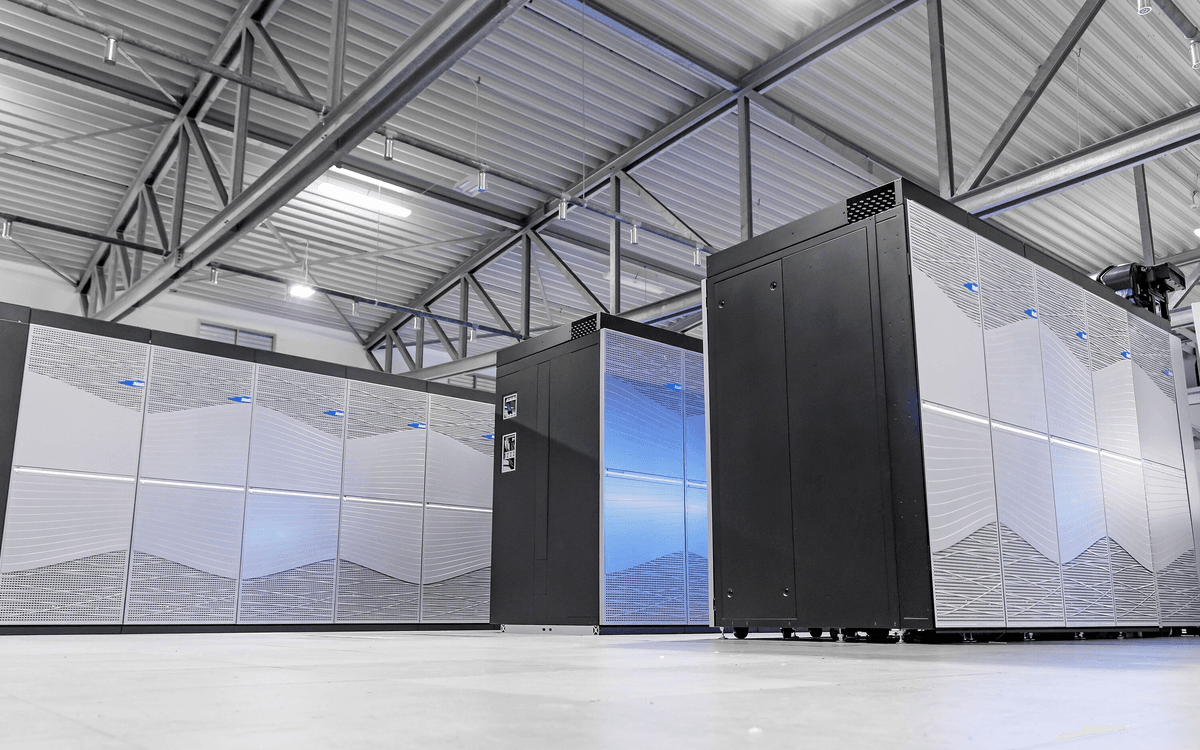
The European Commission said on 30 October 2026 that Canada had joined EuroHPC as a participating state. The step was taken at the EU-Canada summit in Montréal and expands cooperation in high-performance computing, artificial intelligence and quantum technologies. Its announcement, last updated on 3 November, describes institutional participation in a research and infrastructure partnership.
What Canada's EuroHPC participation changes
Key facts
- Canada became a participating state in the European High-Performance Computing Joint Undertaking on 30 October.
- The partnership pools European and national resources for computing infrastructure and research.
- Canadian scientists will be able to collaborate with European partners on HPC, AI and quantum projects.
- Access to resources and an individual allocation of computing time are different steps.
The Commission describes EuroHPC as a legal and funding entity established under EU law. It procures infrastructure and invests in technologies, software, applications and skills. Canada's participation concerns that partnership. It does not mean membership of the European Union or replace further arrangements covering other EU programmes. Commission announcement
For research institutions and businesses, the significance lies in access to a shared technical foundation. Complex simulations, application development and work on AI or quantum computing require more than individual chips: they also depend on machines, software and expertise. The Commission links Canada's participation to the development of joint scientific applications and stronger business innovation. That is not evidence of an already measured productivity gain.
The step builds on a longer research relationship. The EU and Canada signed an agreement on scientific and technological cooperation in 1996. Canada has been associated with Horizon Europe since 2024. Those existing connections provide context for the new EuroHPC participation, but the programmes should still not be treated as a single funding instrument.
Computing access, chip design and unresolved details
The Commission explains that users in science, the public sector and industry can benefit from European infrastructure through access calls. Participation supplies an institutional framework. The announcement does not establish an individually guaranteed number of computing hours or an allocation already awarded to a particular Canadian or European company. Nor does it specify a new Canadian funding contribution.
A related but different bottleneck lies behind the European chip-design platform that has already been launched. That initiative aims to give young companies access to resources including design tools and technical support. EuroHPC instead organises shared computing and research infrastructure. Their connection concerns the foundations needed to develop digital technologies; Canada's participation is not an additional funding award under the chip-design initiative.
At the summit, the two sides also agreed cooperation through Destination Earth, the EU initiative to create a digital model of the planet. The Commission identifies AI-powered climate modelling, weather forecasting and climate resilience as areas of work. Talks also covered Arctic connectivity and the technical interoperability of digital identities. These are complementary fields of cooperation, rather than services automatically activated through EuroHPC.
The practical steps now concern joint projects and the access arrangements applicable to infrastructure. The announcement supplies no single date for a first individual allocation to Canadian users. It also does not document completed joint research results. In following developments in our Europe section, the relevant distinction remains between institutional participation, individual selection procedures and resources actually being used.