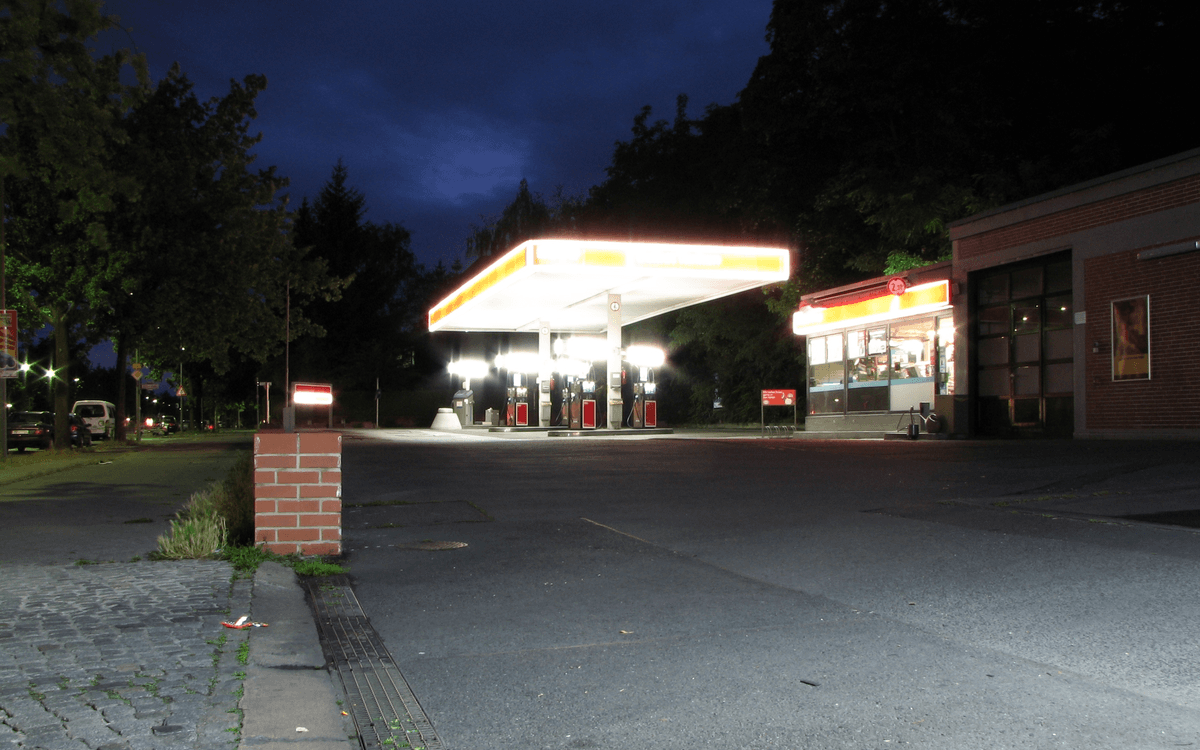
Motor fuel became cheaper in Germany in October, while households buying heating oil faced higher prices. The Federal Statistical Office (Destatis) confirmed on 11 November 2026 that consumer prices were 2.8% higher than a year earlier, down from a 3.3% annual increase in September. The consumer price index fell 0.2% between September and October. Destatis estimates that the fuel tax cut that took effect in October probably dampened the annual rise in energy prices.
Key facts
- Energy products cost 12.2% more than in October 2025. In September, the annual increase had been 14.9%.
- Motor fuel fell 5.5% from September to October, while light heating oil rose 4.6% over the same period.
- Core inflation, which excludes food and energy, slowed from 2.4% in September to 2.1% in October, both measured year on year.
- Germany cut energy tax on petrol and diesel by 14 cents per litre from 1 October. The measure runs to the end of 2026.
What changed at the pump
The monthly and annual rates answer different questions. Comparing October with September 2026, motor fuel prices fell by 5.5%. Supergrade petrol was 5.8% cheaper and diesel 5.1% cheaper. Compared with October 2025, however, motor fuel was still 28.9% more expensive. In September the gap with the same month a year earlier had been 37.1%. The fall from one month to the next narrowed the gap with the previous year without closing it.
The federal government puts the tax cut at 14 cents per litre of petrol or diesel. Including the associated reduction in value added tax, it estimates that the tax relief amounts to about 17 cents per litre. That figure is a tax amount per litre. Destatis measures the percentage change in the prices consumers actually pay. The monthly index therefore cannot tell a driver how much of the tax reduction was passed on at an individual filling station.
The overall energy index fell by 2.1% from September. It covers both motor fuel and household energy, so the average can fall even as the price of an individual fuel rises. The table shows four selected components from the October release, each compared with the same month a year earlier.
| Energy product | October 2026 compared with October 2025 |
|---|---|
| Motor fuel | +28.9% |
| Light heating oil | +84.5% |
| Electricity | −5.2% |
| Natural gas excluding operating costs | −1.2% |
Why households saw different price movements
For light heating oil, the monthly and annual rates pointed in the same direction. It cost 84.5% more than in October 2025, after a 74.9% annual increase in September. Electricity moved differently: the measured price rose 0.3% from September to October but remained below its level a year earlier. Destatis also reported a year-on-year fall in natural gas prices excluding operating costs. A household replenishing its heating oil tank could therefore have a very different experience from one paying an electricity or gas bill.
Electricity and gas are affected by different measures from the cut in tax on petrol and diesel. In its note on energy price measurement, Destatis says the gas storage levy ceased to be charged in 2026. The change in that cost component is included when it measures gas prices. For electricity, the office describes a federal subsidy of €6.5 billion for transmission network costs in 2026. Transmission operators take it into account when calculating grid fees. Destatis attributes part of the year-on-year decline in electricity and gas prices to measures like these.
The energy categories carry different weights in the overall consumer price index. Motor fuel has a weight of 30.46 parts per thousand in the published table, while electricity has a weight of 24.50 parts per thousand. Those weights describe the statistical basket. A household that spends a larger or smaller share on either category than the basket reflects will experience the change differently in its own budget. Even a steep rise in the price of one fuel therefore cannot be read as the increase in the cost of the entire basket.
What was still getting more expensive outside energy
Core inflation slowed to 2.1% in October, after running at 2.4% in each month from July to September. The slowdown thus extended beyond energy. Services cost 2.5% more than in October 2025. Net rents excluding heating were up 1.9%, while vehicle maintenance and repairs cost 4.9% more. Different parts of the cost of running a car moved by very different amounts.
Food prices rose 0.4% year on year, the same rate as in September. Individual items moved in opposite directions: eggs were 15.4% more expensive than in October 2025, while butter was 18.9% cheaper. The overall index combines those changes with the rest of household spending. The final October reading confirms the preliminary headline rate. Its detailed breakdown shows how far prices for individual expenses diverged.
For comparisons across the euro area, Destatis also publishes a harmonised index of consumer prices. It too rose 2.8% year on year in October. On the month it fell 0.1%, while the national index fell 0.2%. The two monthly rates measure different indices.
For motorists, the next fixed date is the end of the year, when the government says the temporary tax cut expires. The pump price when that happens will also depend on how prices before tax move.