German Chancellor Friedrich Merz has invited members of the Coalition of the Willing to Berlin on Thursday, 19 November 2026, together with French President Emmanuel Macron and British Prime Minister Andy Burnham. The German government's announcement on 13 November says the meeting will address diplomacy, possible postwar security guarantees for Ukraine and continued support for Kyiv. It is an invitation to talks, not an agreement on deploying troops or a completed peace settlement.
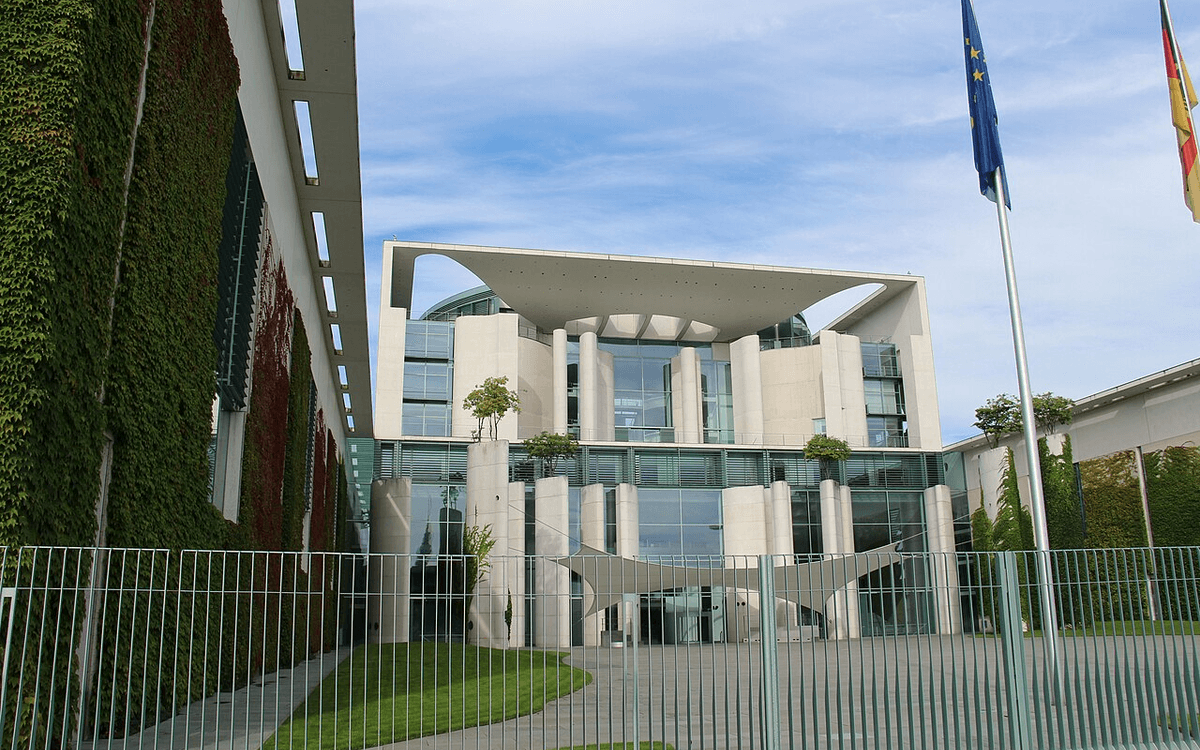
The meeting at the Federal Chancellery is billed as “United for Peace in Ukraine and European Security”. It raises practical questions about who might monitor a ceasefire, help Ukraine maintain its defences and respond if Russia attacked again after a settlement.
Key facts
- Merz, Macron and Burnham have called the Berlin meeting for Thursday, 19 November 2026.
- The German government names diplomatic coordination, postwar guarantees and ongoing Ukraine assistance as the agenda.
- A 6 January 2026 Paris Declaration outlined five proposed elements of future guarantees, conditional on a ceasefire.
- The announcement does not establish an active security guarantee, authorise a deployment or conclude a peace agreement.
What the proposed guarantees would involve
The coalition discussed the architecture of possible guarantees earlier this year. In a declaration issued in Paris on 6 January and published by the European Council, members said they stood ready to develop politically and legally binding commitments under their respective constitutional arrangements. They envisaged the guarantees taking effect once a ceasefire entered into force.
One proposed element is US-led monitoring and verification of a ceasefire. Others are long-term support for Ukraine's armed forces, potential multinational reassurance measures in the air, at sea and on land, arrangements to respond to a renewed Russian attack and closer cooperation on training, weapons production and intelligence.
The sequencing is significant. According to the Paris Declaration, multinational reassurance measures would be implemented at Ukraine's request only once there had been a credible cessation of hostilities. The coalition also said binding response commitments should be finalised. Neither formulation means that the planned forces have already deployed or that every government has completed its legal approvals.
The January text also envisaged a US-Ukraine-coalition coordination cell at the coalition's Paris operational headquarters. Such coordination is distinct from a treaty commitment or authorisation to put foreign forces on Ukrainian territory. The Berlin discussions may address those unresolved issues, but the German invitation provides no detailed operational blueprint.
Why the timing matters
The invitation follows renewed diplomatic contacts over a possible end to Russia's war. Reuters reported that Merz, speaking in Dublin on 13 November, urged the United States to avoid surprising European and Ukrainian partners in its dealings with Moscow. He argued that Ukraine and Europe needed a role in the process and said security guarantees could be addressed after a peace had first been achieved.
Berlin offers the supporting governments an opportunity to align positions on the conditions, resources and political responsibility that any future guarantees would require. The participants may also discuss continuing assistance while fighting persists. Those are subjects for negotiation, not proof that a new fund or a jointly approved military mission already exists.
It is also important to distinguish the proposed Berlin summit from separate discussions about who should represent Europe in negotiations. Choosing representatives to participate in peace talks does not itself impose a military obligation on their home countries. Nor would a statement of common purpose automatically resolve parliamentary or constitutional requirements for action.
The German government presents its support for Ukraine as a long-term European security interest. That is the government's stated position. The measurable result will depend on any specific commitments that participating states announce, the conditions attached and the domestic processes needed to carry them out.
What to watch after 19 November
The first test will be whether Berlin produces a joint declaration with concrete measures rather than a repetition of previous promises. A second will be whether members identify funding, responsibilities and a practical sequence tied to any ceasefire. None of these outcomes has been announced in advance.
Even an eventual political agreement would leave operational and legal details to be settled. Until the participating governments publish their decisions, the Paris framework remains a plan for possible guarantees and the Berlin gathering remains a scheduled meeting.