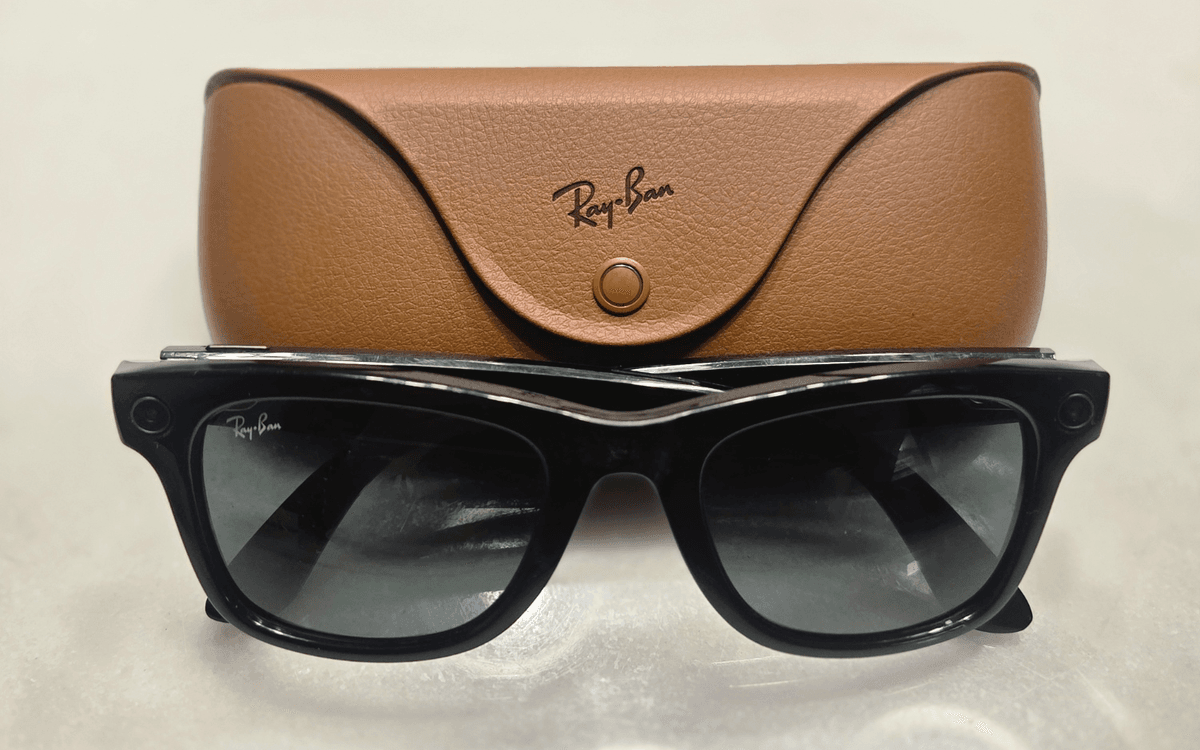
Germany's Bundestag digital affairs committee debated camera-equipped smart glasses on 11 November 2026, focusing on covert recording, privacy and the responsibilities of manufacturers. In its report published on 12 November, parliament said lawmakers across parties saw a need for clearer rules, but there was no concrete proposal to amend the Telecommunications Digital Services Data Protection Act (TDDDG). The Federal Network Agency currently sees insufficient legal grounds to intervene against models it has examined.
Key facts
- The committee met on 11 November and the Bundestag reported its discussion on 12 November 2026.
- Section 8 TDDDG prohibits specified communications equipment disguised as everyday items and intended for covert recordings.
- The Federal Network Agency regards recording indicators visible to bystanders as relevant when assessing the models already examined.
- No general smart-glasses ban or specific TDDDG amendment was adopted at the meeting.
How German law tests a recording indicator
The Bundestag account centres on whether a camera built into spectacles meets the definition of prohibited covert equipment. Section 8 of the TDDDG bars, in defined circumstances, possessing, manufacturing, supplying or importing communications devices disguised as other objects that are particularly capable of and intended for recording someone else's speech or image without their knowledge. Subsection 2 explicitly links the assessment to whether the recording function is clearly recognisable during ordinary use.
A Federal Network Agency representative told the committee that technical capacity to film did not by itself make every pair of glasses prohibited equipment. Their intended use for undetected recording mattered too. For models the agency had inspected, it considered a sufficiently visible indicator, such as a recording LED, to satisfy the current recognition requirement. The agency could act only under its statutory powers, not simply because members of the public were uncomfortable with the devices.
Lawmakers nevertheless raised doubts. Members of the conservative Union bloc asked how to define an unmistakable recording signal. An SPD representative drew a possible distinction between recording images and transmitting or further processing them. Green and Left members questioned whether public anonymity was being eroded and whether a small light could actually prevent unwanted recording. Those views were part of a parliamentary debate, not final legislation.
Privacy law asks a separate question
A device not prohibited under section 8 can still be used in ways that breach data protection law. A representative of Germany's federal data protection commissioner highlighted collection, storage, sharing and possible use of recordings for AI training. The legal responsibility of wearers and companies operating connected services can differ according to what happens to the material.
On 13 October 2026, the European Data Protection Board published preliminary guidance on smart glasses. A purely personal recording of family or close friends may fall within the GDPR's household exemption. Publicly posting a video on social media, or using the glasses for official, professional or political work, can instead make the wearer responsible as a data controller. Manufacturers and linked service providers also retain their own obligations and cannot transfer them wholesale to users.
Hamburg's data protection authority released a technical and legal examination on 10 September of the first-generation Ray-Ban Meta Wayfarer. It assessed that recordings of people outside a close family-and-friends circle would generally lack valid informed consent because the process was insufficiently transparent, while exceptional grounds such as legitimate interests would need case-specific analysis. It also questioned the legal basis for provider AI training. That is a regulator's assessment of a studied product and its uses, not a nationwide sales ban.
A visible recording light may therefore matter to the device prohibition while failing to answer whether later storage, sharing or use of people's data is lawful. The tests cover different legal concerns.
What could change next
The federal digital ministry referred to ongoing legislative work on digital violence and the possibility of European product standards or labels. Neither route produced a new binding rule on smart glasses at this committee meeting. More precise duties would require subsequent legislative or regulatory action.
For manufacturers, the unresolved issue is how obvious recording must be and how the resulting data is handled. For wearers, legality still depends on context, purpose and whether material is later shared. Parliament highlighted uncertainty in the current framework, but did not itself impose a new ban.