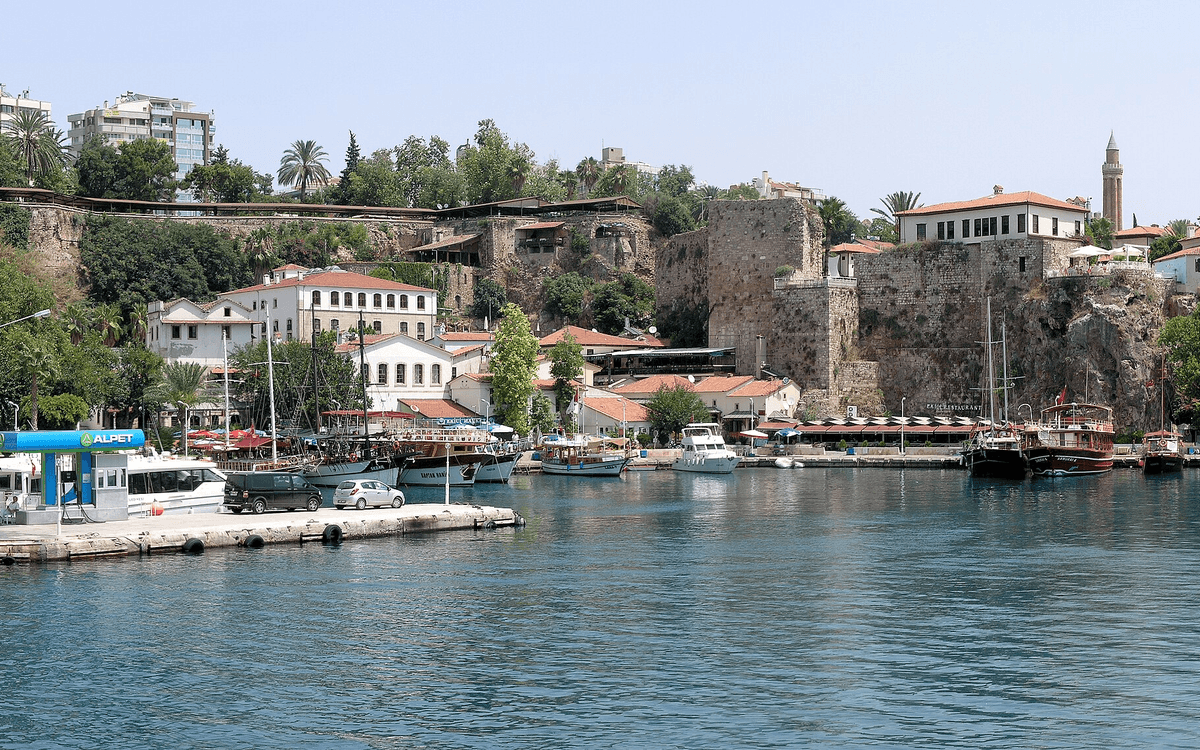
Germany and India will lead political consultations on cutting greenhouse gas emissions at the United Nations climate conference in Antalya. Germany’s Federal Ministry for the Environment, Climate Action, Nature Conservation and Nuclear Safety announced the role for Environment Minister Carsten Schneider on November 8, 2026 in a joint statement with the foreign and development ministries. The UN climate secretariat lists November 9 as the start of COP31. Schneider is due to join negotiations on site in the second week.
Key facts
- Schneider will lead mitigation consultations with India’s environment minister, Bhupender Yadav, on behalf of the Australian presidency of negotiations.
- Türkiye is hosting the conference and leads its Action Agenda. Australia is responsible for the negotiations.
- Germany supports the Turkish presidency’s goal of raising electricity’s share of global final energy consumption from just over 20 percent to 35 percent by 2035.
- The United Nations lists the Antalya conference for November 9 to 20.
Who is running the talks?
The German environment ministry describes a division of responsibilities between two presidencies. Türkiye is responsible for hosting and organising the conference. Its Action Agenda is intended to advance practical implementation of the Paris Agreement. Australia prepares the negotiations, consults countries and works on draft decisions. The UN climate secretariat identifies Turkish minister Murat Kurum as the nominated COP president and Australian minister Chris Bowen as president of negotiations.
Schneider’s assignment falls within the negotiations. He and Yadav are to lead the political discussions on reducing greenhouse gas emissions. Germany’s environment ministry coordinates international climate policy within the federal government. The development ministry leads Germany’s work in the talks on adapting to climate impacts and supports financing. The Foreign Office works on foreign policy and security issues.
What is Germany bringing to Antalya?
On October 12, the EU’s Environment Council adopted conclusions setting the bloc’s negotiating position for Antalya. Ministers put implementation of the Paris Agreement at the centre of that position and called for rapid action to return to a path consistent with 1.5 degrees Celsius. The German government says that national climate pledges for 2035, taken together, fall short of that goal. It wants the Antalya talks to advance implementation of existing pledges and bring forward additional measures.
The Turkish presidency’s electrification initiative is one practical proposal that Germany backs. Its goal concerns electricity’s share of all energy consumed by end users around the world, including energy used in buildings, transport and industry. Germany intends to contribute through its D-Grids distribution network initiative. Stronger networks and storage would allow renewable electricity to be used in more applications. The initiative sets 35 percent as its target for 2035.
On adaptation, Germany wants to make it easier for particularly vulnerable countries to access climate finance. Its environment ministry points to mangroves as an example of a way to protect coastlines from storm surges while storing carbon. The German government also wants to reduce methane emissions and promote replacing sulphur hexafluoride in power grids.
Through the scheduled close on November 20, the parties are due to discuss implementation of climate pledges, adaptation and the global finance goal. Schneider’s consultations in the second week concern emissions cuts. The presidency’s division of responsibilities assigns the lead for those discussions. The parties negotiate the decisions.