The European Parliament adopted its negotiating position on the Union Civil Protection Mechanism for 2028-2034 on Thursday, 12 November 2026. Members want €12.42 billion in current prices for the seven-year programme, compared with about €10.68 billion in the European Commission's proposal. That higher figure is a demand to take into negotiations, not an enacted budget, an immediate new benefit or an approved expenditure for individual emergency projects.
The text was approved by 424 votes to 105, with 83 abstentions. As Eunews reported, Parliament wants a disaster-response instrument that does more before and after an emergency, instead of concentrating primarily on sending help once wildfires, floods or earthquakes have overwhelmed national resources.
What the proposed increase would finance
The difference between the two budget proposals is approximately €1.74 billion over seven years. Parliament would reserve 40% of funding for civil protection, another 40% for health emergencies and leave 20% as a flexible allocation. That proposed division indicates negotiating priorities; no project or national administration receives a legally binding entitlement simply because MEPs supported it.
Key facts
- Parliament adopted its position on 12 November 2026 by 424 votes in favour, 105 against and 83 abstentions.
- It wants €12.42 billion at current prices for 2028-2034, compared with about €10.68 billion in the Commission's proposal.
- Members favour a 40% civil-protection allocation, 40% for health emergencies and 20% for flexible response.
- Negotiations with the Council remain necessary before any final legislation or agreed budget can emerge.
The Union already operates the rescEU strategic reserve. The European Commission describes it as a shared resource designed to supplement national capacity when major emergencies stretch a country's own response capabilities. Firefighting assistance and other specialised assets are examples of the existing operational model. Parliament's proposals would build on those arrangements rather than abolish the current system.
The new emphasis is on preparation. Lawmakers want vulnerability mapping, forward-looking climate projections, stronger early-warning capability and more input from local and regional authorities. They also seek clearer coordination between civilian and military assets in disaster response. Better knowledge of where risks lie would make preparedness a distinct function of the programme, even when no emergency is occurring.
Health emergencies, aircraft and the recovery after disasters
A Parliament communication republished by European Sting describes proposals to strengthen preparation for cross-border health emergencies. The possible measures include shared stocks of protective equipment and pharmaceutical ingredients, cooperation among specialised medical teams, better tracking of intensive-care capacity and arrangements for moving patients when local systems are overwhelmed. These are proposed tasks, not evidence that a new Europe-wide network of medical facilities is already operating.
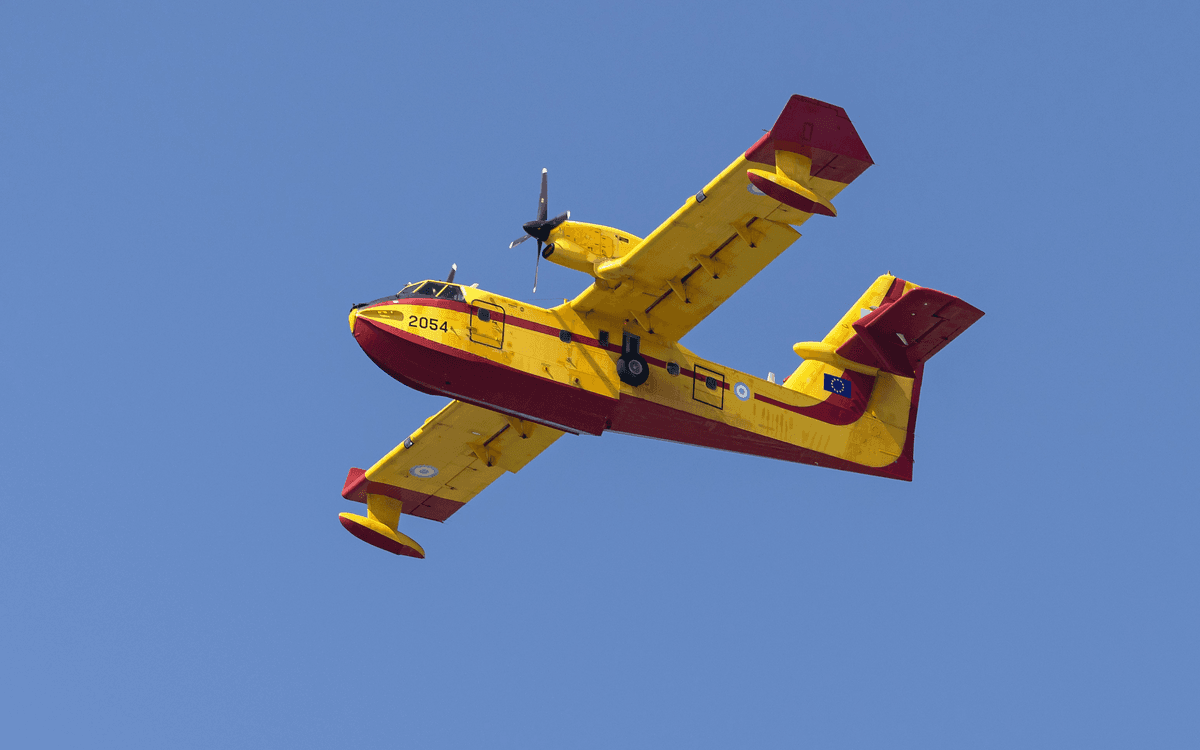
Members also support expanding the shared firefighting response through an aerial fleet intended to be available from 2028. The year is a planning target, not confirmation that the aircraft have all been ordered, funded and deployed. The final form will depend on the legislative and budget negotiations.
Attention would also move beyond immediate rescue. A recovery-readiness framework is intended to clarify the responsibilities of national, regional and local governments before reconstruction is required. Lawmakers seek a distinct legal status for volunteers, covering insurance, recognition of qualifications and some work-related restrictions. Those measures could affect whether personnel can cross borders and work together without improvised arrangements in each crisis.
The next stage is negotiation between Parliament and the Council, alongside decisions on the wider 2028-2034 EU financial framework. The €1.74 billion increase is therefore not yet guaranteed, and the proposed percentage split could change. The political choice still to be made is how much of a common safety budget should go to anticipation and recovery rather than emergency response alone.