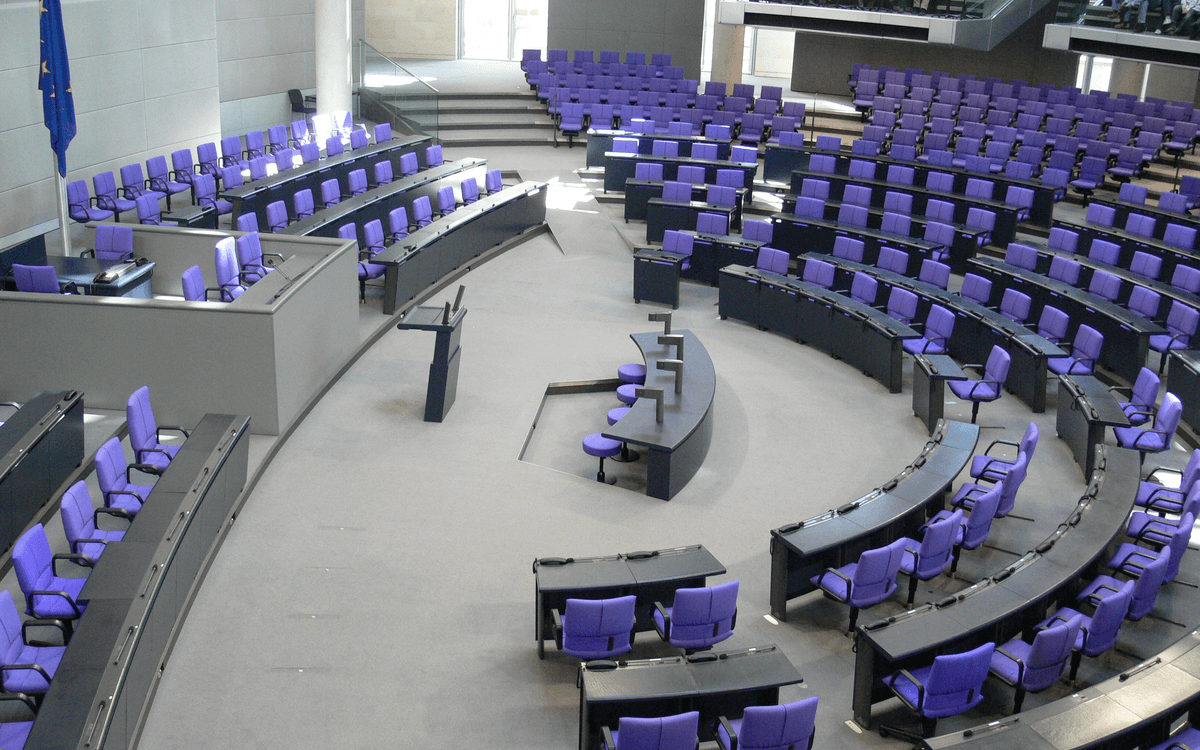
Germany's Bundestag approved a sweeping reform of intelligence-service powers on Friday, 13 November 2026. The amended government bill would allow the foreign intelligence agency, the BND, and the domestic security service, the BfV, to take defined covert action against certain threats instead of only collecting and analysing information. Approval by parliament does not establish that every new power has already entered into force.
The measures address foreign hacking operations, sabotage, digital investigations and supervision of intrusive activities. They also reopen a constitutional debate over the long-standing separation of intelligence gathering from police enforcement.
Key facts
- The Bundestag approved the amended bill on 13 November. Its official account gives 308 votes in favour, 190 against and 71 abstentions.
- Under exceptional conditions, the BND could disable infrastructure used by state-linked hacking groups or delete stolen victims' data.
- Other provisions address biometric comparisons, technical analysis and temporary preservation of telecommunications traffic data.
- The Independent Oversight Council would consolidate prior approvals for certain operations and additional data-protection supervision.
What the intelligence services would be allowed to do
Germany's existing security model distinguishes intelligence agencies from police: the former collect information about threats, while the latter normally exercise overt powers such as arrests and searches. The legislation would retain that formal distinction but create limited opportunities for covert intervention when dangerous activity is detected.
One example in the government's explanation involves a foreign-state-linked hacking group extracting information from German critical infrastructure companies. If the BND identifies the responsible server, it could under specified conditions disable that infrastructure. The bill's explanatory material also discusses deleting data stolen from victims. These conditional tools do not amount to an unrestricted licence to attack computers abroad.
Domestic intelligence would gain some intervention options as well. The government's account says BfV action would remain covert, without direct physical coercion against individuals. Police would still be responsible for overt arrests and searches. For each operation the precise statutory trigger, any required advance review and subsequent accountability will matter more than the broad political label of 'active defence'.
Digital analysis is another major component. The bill provides or adjusts legal bases for biometric comparison of images and use of automated analytical tools under prescribed circumstances. A committee amendment adopted on 11 November would allow the BND and BfV to require telecommunications providers to preserve selected traffic records until the conditions for a later disclosure request are met. Preserving data is not automatically the same as granting unrestricted access to message contents.
Oversight changes meet civil-liberties objections
The government argues that foreign espionage, cyberattacks and sabotage require stronger domestic capabilities. Interior Minister Alexander Dobrindt described the vote as a fundamental change. Coalition lawmakers say Germany should not always have to rely on allied intelligence services or wait for a different agency when a concrete threat is already identified.
Oversight is supposed to become more coordinated. According to the parliamentary explanation, the Independent Oversight Council would take over judicial-style advance checks for certain orders and additional administrative data-protection functions. Reporting requirements would support scrutiny by parliament's intelligence oversight body. Lawmakers separately passed a resolution expressing an intention to expand parliamentary oversight powers through another bill next year. That proposed future reform is not already law.
Critics contest whether the safeguards are sufficient. On 12 November, a coalition of 28 organisations warned that expanded biometric analysis and surveillance powers could weaken civil liberties and confidentiality for certain professions. The groups also argued that the historic boundary between police and intelligence functions could erode. Those are attributed concerns, not a court finding that the enacted text is unconstitutional.
The debate exposed divisions even among politicians supporting some security measures. Social Democrats defended the proposed limits and advance reviews. Green lawmakers welcomed elements of the foreign-intelligence and oversight reforms but objected to parts of the domestic-security regime. The Left opposed the overall shift. The dispute is therefore about operational thresholds and accountability as well as countering hackers.
The next milestones are the remaining statutory steps, formal promulgation and commencement provisions. Only those will clarify when individual powers become usable. A parliamentary vote is not evidence that intelligence agencies have already conducted an operation under the new rules.