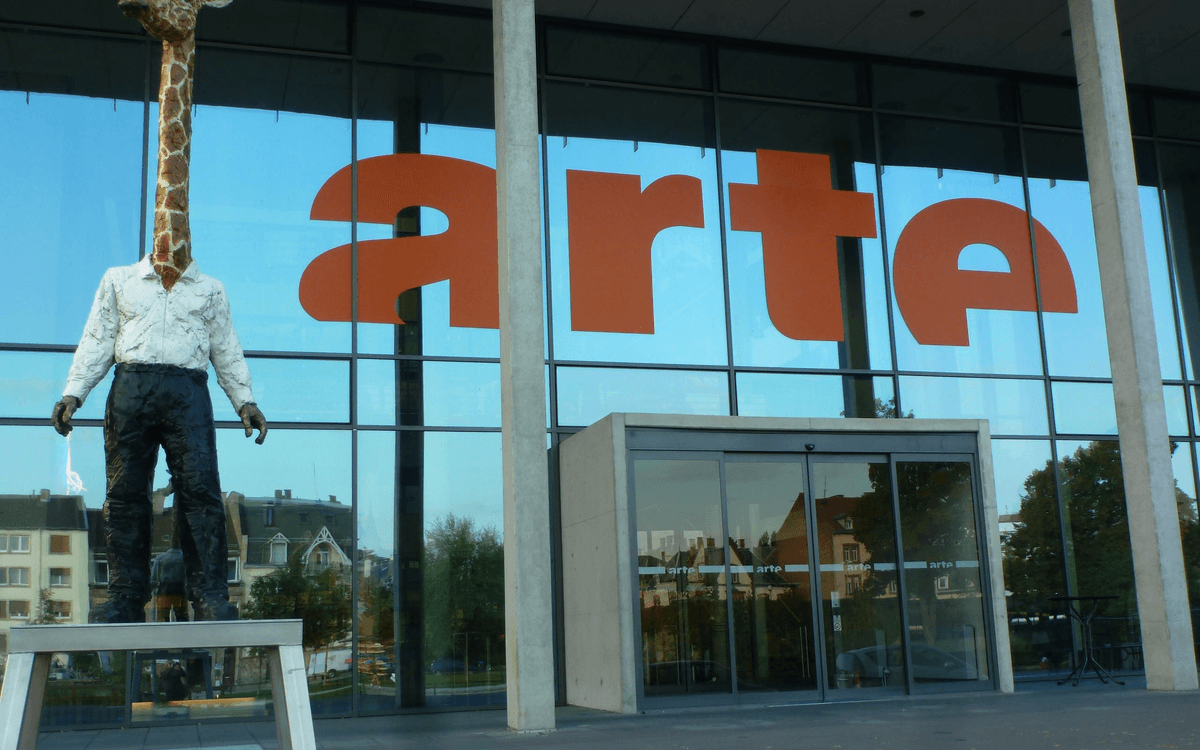
Germany is presenting a partnership between European culture channel ARTE and Spain's public broadcaster RTVE as a model for wider cross-border media cooperation. Culture minister of state Wolfram Weimer introduced the initiative with Spanish culture minister Ernest Urtasun and French culture minister Catherine Pégard around the EU culture ministers' meeting in Brussels on November 21, 2026. The underlying broadcaster agreement had actually been signed at the end of September. This was not the adoption of a new EU law.
The plan is to establish a dedicated ARTE area on RTVE Play, Spain's free public-service streaming platform. RTVE said it intends to offer 500 titles initially and refresh the selection at least every month. Spanish dubbing or subtitles are intended to make European documentaries and other programming easier to access. The reviewed announcements do not establish an exact operational launch date or verified audience figures for the new section.
Key facts
- September 30, 2026: RTVE and ARTE signed their cooperation agreement in Madrid.
- 500 titles are planned for the initial RTVE Play ARTE selection, with at least monthly catalogue renewal.
- November 21: Germany presented the partnership politically at the gathering of European culture and media ministers.
- The service is designed as a free Spanish-language streaming offering; its proposed availability is distinct from a confirmed launch.
What would change for viewers and broadcasters
Spanish viewers previously had to locate eligible ARTE programmes through the culture channel's existing distribution services. The proposed integration creates a separate entry point inside a Spanish public broadcaster's platform. Translation is only one part of the arrangement: the selected programmes would also be placed in an established streaming environment that already supports accounts, recommendations and different devices.
RTVE's September announcement described the agreement as signed by RTVE secretary-general Alfonso Morales and ARTE France president Bruno Patino. It specified a regularly renewed catalogue with Spanish dubbing or subtitles. RTVE also described it as a selection of European productions, rather than a transfer of ARTE's entire library. The headline figure of 500 titles therefore does not guarantee every existing ARTE film will be available, or that every selected programme will remain indefinitely.
In a November 5 announcement marking five years of RTVE Play, the Spanish broadcaster still described the ARTE corner as a forthcoming autumn launch. That distinction matters: the ministerial presentation on November 21 alone does not demonstrate that all 500 titles were already online. The sources examined here do not independently verify a completed rollout.
The Spanish platform's scale helps explain the strategy. RTVE reported more than 12 million unique users in October 2026, up 26.2% from a year earlier, as well as more than 17.5 million registered users. Those figures cover RTVE Play as a whole. They are not measured viewing figures for the ARTE offering, and cannot establish whether the partnership has attracted a new audience.
Why Berlin wants a broader European approach
Weimer said cooperation among public-service media could strengthen the availability of reliable information. He identified Deutsche Welle and France Médias Monde as another possible example of closer cooperation to serve audiences outside the EU. This was a political suggestion, not a completed merger or a newly signed agreement between those broadcasters.
Spain placed the ARTE-RTVE project on the agenda of the EU's Education, Youth, Culture and Sport Council as an additional item. According to the German government's account, ministers were considering the strategic role of public media in a market dominated by global streaming services and increasingly fragmented distribution. Urtasun argued that wider access could help ARTE reflect Europe's range of cultures.
Three separate stages should not be confused. The September agreement establishes a concrete relationship between broadcasters. The announced catalogue describes how they intend to implement it. The November meeting promotes the approach as an example to others. None of these stages automatically imposes an EU-wide streaming requirement or awards funding to another broadcaster.
For viewers, the next verifiable milestone is when the dedicated ARTE area and its Spanish-language programmes can be accessed on RTVE Play. For public broadcasters and policymakers, the further test is whether shared distribution actually reaches additional audiences and whether comparable collaborations are negotiated elsewhere. Until those outcomes can be measured, the initiative is a substantive partnership with an announced delivery plan, not proof of a completed pan-European streaming transformation.