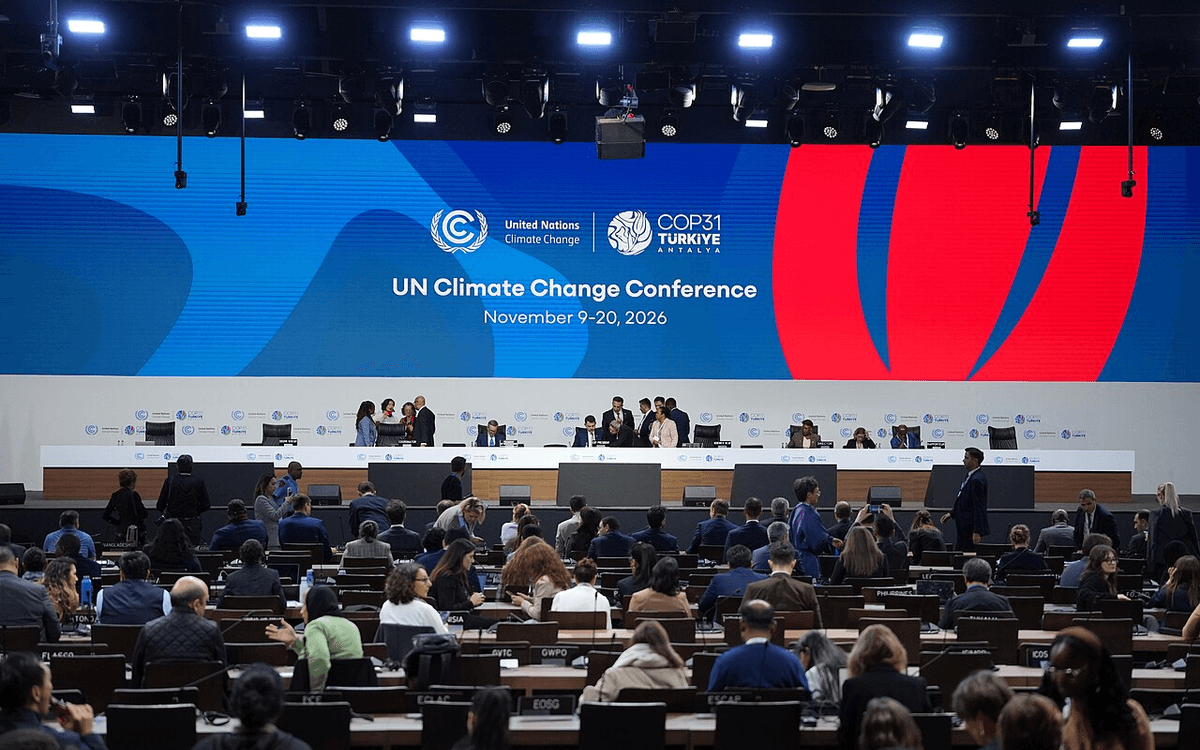
The COP31 climate summit in Antalya has run beyond its planned 20 November closing date, with negotiators still divided over the treatment of fossil fuels and financial support for countries coping with climate change. As of the early hours of Sunday, 22 November 2026, a final adopted agreement had not been confirmed. Germany is backing a proposal to increase electricity's role in the global economy, but that does not by itself resolve the dispute.
Reuters reported on 21 November that delegates from nearly 200 countries remained in negotiations. One proposed shift is to replace more direct combustion of fossil fuels with electricity. But a target for electric power is different from an explicit commitment to reduce dependence on coal, oil and gas. Governments also remain divided over how to pay for climate adaptation.
Key facts
- COP31 began in Antalya on 9 November and was scheduled to finish on 20 November.
- The UN climate secretariat records a presidency cover-decision draft dated 19 November, not an adopted final deal.
- Germany backs raising electricity's share of global final energy consumption from just over 20% to 35% by 2035.
- Reuters reported on 21 November that fossil-fuel wording and adaptation finance were major unresolved issues.
Why agreement has proved difficult
Countries have long differed over how explicitly global climate declarations should address fossil fuels. Several governments want a clear reference to ending dependence on coal, oil and gas; others resist language with those implications. According to Reuters, the EU's climate leadership insisted on a meaningful agreement rather than approving a weak text simply to conclude the meeting.
The United Nations climate secretariat lists parallel consultations covering mitigation, finance, adaptation and a just transition. German Environment Minister Carsten Schneider and India's Bhupender Yadav are among the officials facilitating the mitigation talks. Representatives of Sierra Leone and the United Kingdom are assigned to discussions on adaptation.
These are connected but distinct policy problems. Promoting new technologies, cutting emissions from existing fuels and financing protection from climate damage all require different commitments. A concession about electricity use cannot automatically settle the question of who supplies finance or what governments promise regarding fossil production and consumption.
The status of the documents matters. A presidency draft is an invitation to negotiate. It may be amended, replaced or rejected before countries formally approve any decision. The draft linked on the UNFCCC website from 19 November therefore establishes what was being discussed, not what COP31 has finally achieved.
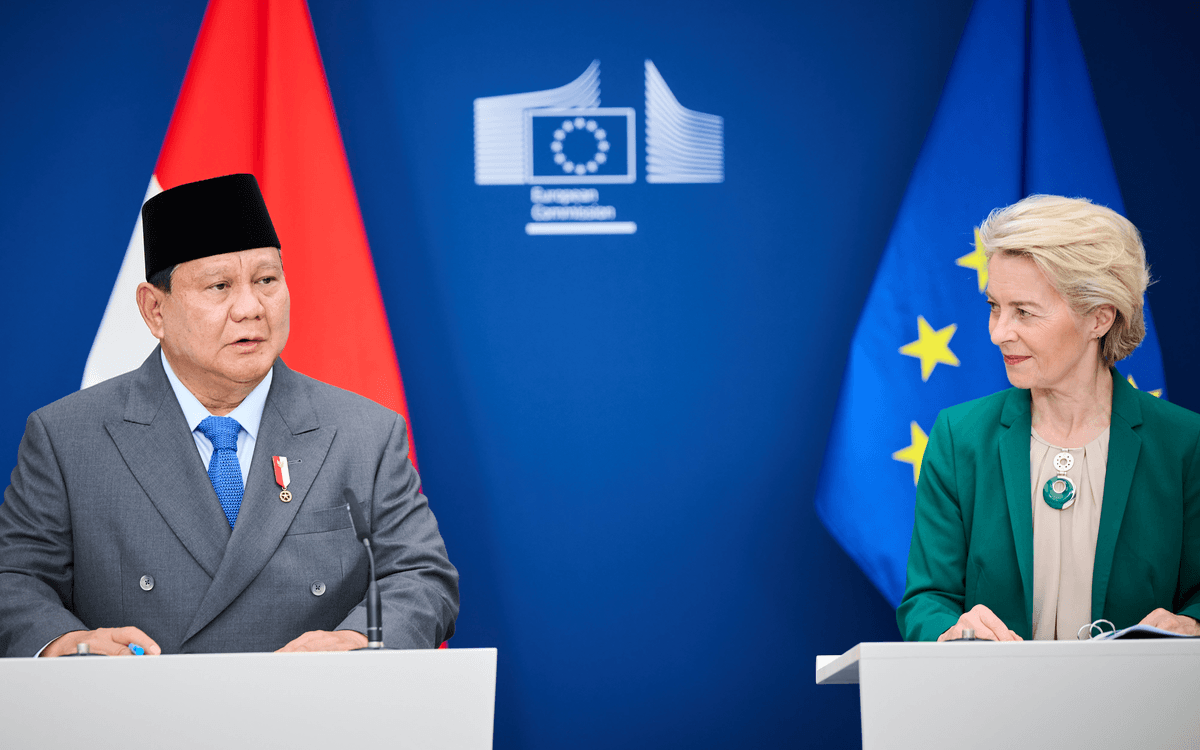
The European Commission's public COP31 priorities include rapid emissions cuts, a 2050 climate-neutrality goal and resilience for communities exposed to severe climate impacts. Those are European positions. Their presence in a final multilateral decision depends on the wording all participating states accept.
The meaning and limits of 35% electrification
Germany's joint ministerial statement before the summit supported a Turkish presidency initiative to raise electricity's share of worldwide final energy use from a little over one-fifth to 35% by 2035. The initiative could encourage electric vehicles, heat pumps and industrial equipment that replace direct combustion.
The figure is a policy ambition, not a measured outcome or a binding global obligation. It refers to the share of electricity in final energy consumption, not the share of electricity produced from renewable sources. An economy switching to electricity supplied by fossil-fuel power stations could have very different emissions outcomes from one using low-carbon generation.
Germany therefore links electrification to more renewable power, stronger electricity grids, storage and improved efficiency. It also calls for accessible adaptation finance, early warning systems and responses to heat, drought and flooding. Those priorities recognise that vulnerable countries need help with impacts already occurring.
For the EU, the final test will be the adopted text, not the number of negotiating sessions or the existence of an announcement. The next verifiable milestone is formal approval and publication of the conference's decisions. Until then, the language on fossil fuels, climate finance and implementation remains subject to negotiation.