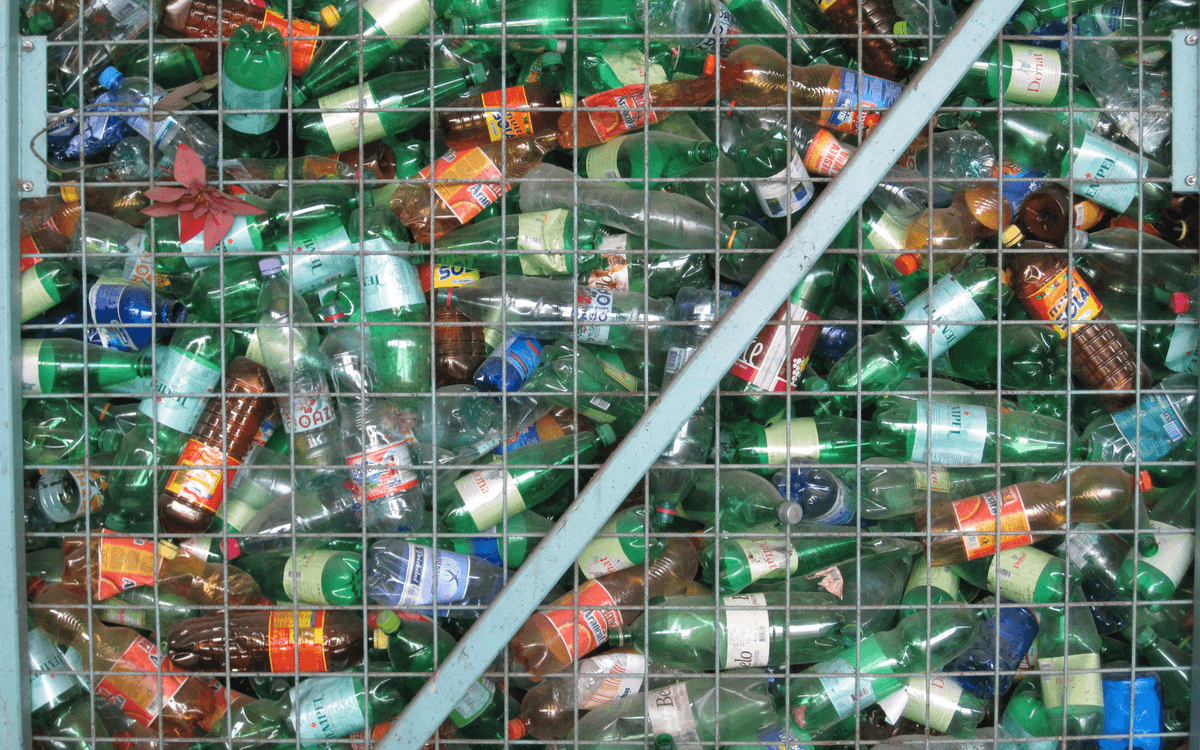
From 21 November 2026, companies in the European Union are prohibited from exporting plastic waste to countries outside the Organisation for Economic Co-operation and Development (OECD). The ban comes under a waste-shipment regulation adopted in 2024 and will remain in place until at least 21 May 2029. It applies even to clean plastic waste intended for recycling.
The measure is not a blanket ban on sending every category of waste abroad. Shipments between EU member states and some exports to OECD countries remain possible under separate controls. That distinction determines which established disposal and recycling routes have closed and which can still be used with the required authorisations.
Key facts
- The complete prohibition on EU plastic-waste exports to non-OECD countries took effect on 21 November 2026.
- Regulation (EU) 2024/1157 entered into force on 20 May 2024, while many shipment procedures began applying on 21 May 2026.
- A non-OECD country may seek permission to receive certain clean, non-hazardous B3011 plastic waste only after 21 May 2029, subject to environmental conditions.
- Exports to OECD countries remain possible under controls; independent audits of overseas treatment facilities are required from 21 May 2027.
The destinations covered by the ban
The European Commission's detailed guidance distinguishes between destinations inside the EU, OECD countries beyond the EU and countries outside the OECD. For the new prohibition, the destination matters even when the material is clean and potentially recyclable. Non-hazardous plastic waste classified as B3011 cannot be exported to a non-OECD country during the initial ban.
That is a significant change from earlier waste-shipment arrangements that allowed some trade under specific procedures. The EU says the purpose is to prevent collected plastic from being sent to places unable to manage it safely. Exporters must therefore establish both the correct waste classification and the lawful destination, rather than assume that the description 'for recycling' is sufficient.
Trade with OECD countries is treated differently. Plastic waste exports, including clean non-hazardous material, are subject to prior notification and consent procedures introduced in May 2026. The Commission is expected to monitor flows to those countries, investigate concerns about harmful treatment and ultimately suspend exports where environmental management is inadequate.
Inside the EU, rules also depend on the category of waste. Hazardous or difficult-to-recycle plastic usually faces more demanding approval procedures. Certain clean material shipped for recovery between member states can move under general information requirements. The new prohibition is not an EU-wide ban on recycling plastic or on transporting material between member states.
What changes for recyclers and exporters
The immediate responsibility falls on waste traders, sorting businesses and recycling operators that arranged treatment outside the EU. They need to check the destination country's OECD status, classify the plastic correctly and obtain any approvals still required for lawful shipments. Calling a load recyclable does not create an exemption from the non-OECD ban.
The quantities involved are substantial. Reuters reported on 20 November that the EU produces roughly 40 million metric tonnes of plastic waste per year and exports about 1.5 million tonnes. Major destinations have included Türkiye, the United Kingdom, Malaysia, Indonesia and Vietnam. But Türkiye and the United Kingdom are OECD members; the absolute prohibition does not treat them like non-OECD destinations.
It would therefore be incorrect to say that all 1.5 million tonnes must now be recycled within the EU. The portion previously exported to countries outside the OECD must find legally permitted alternatives. Whether that leads to increased shipments to OECD destinations is a matter for monitoring, not a measured outcome established by the new rules. The Commission is also concerned that waste sent to an OECD country should not simply be re-exported to a destination with weaker treatment standards.
Another important phase starts on 21 May 2027. Exporters will need independent audits demonstrating environmentally sound treatment at receiving facilities. Broader restrictions on other categories of non-hazardous waste also begin that month. The Commission's regulatory timetable separates these dates from the plastic-specific prohibition already in force.
After May 2029, a non-OECD government can seek an exception for certain clean B3011 plastic waste by demonstrating adequate treatment capacity. That is a possible application process, not automatic permission to restart exports. For now, the central change is that non-OECD routes have closed for plastic waste while controlled trade along other routes remains possible.