From 21 November 2026, the European Union has prohibited exports of plastic waste to countries outside the Organisation for Economic Co-operation and Development (OECD). The rule comes from the bloc's 2024 Waste Shipment Regulation and is designed to prevent Europe from shifting pollution and poor waste management abroad. It does not, however, automatically turn every tonne previously exported into recycled material within the EU.
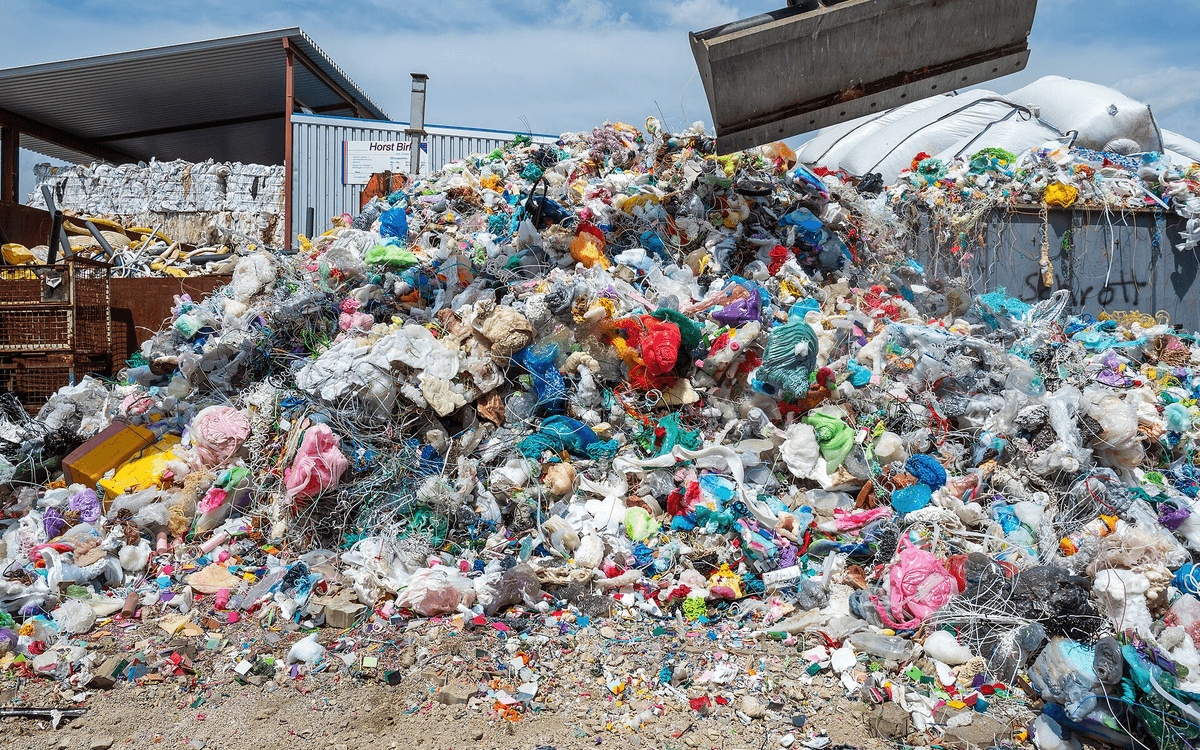
The harder question is where that waste now goes. Some may move into European recycling plants, some may be shipped to destinations that remain eligible under tighter rules, and some may be processed in less valuable ways. A border restriction changes trading options immediately. Sorting infrastructure, profitable recycling and reliable demand for recycled plastic do not appear overnight.
Key facts
- The ban on plastic-waste exports to non-OECD countries started on 21 November 2026. Requests for possible renewed access cannot apply until 21 May 2029 and would require approval.
- The European Commission estimates the EU generates roughly 40 million tonnes of plastic waste annually and exports about 1 to 1.5 million tonnes.
- According to Commission figures, around half of EU plastic-waste exports in 2025 went to OECD countries, with the remainder going to non-OECD markets. Türkiye is an OECD member and is not automatically banned as a destination.
- The European Environment Agency puts European mechanical plastic-recycling capacity at 13.2 million tonnes a year in 2023. Installed capacity does not establish how much plastic is actually recycled into usable products.
Which routes remain open for European plastic waste?
Not every consignment of plastic waste is the same. Relatively clean, sorted material, contaminated mixed plastics and hazardous waste face different technical constraints and different legal requirements. The EU had already introduced tighter controls in May 2026 covering exports of some non-hazardous plastic waste. For affected shipments, the relevant authorities must be notified and must consent before movement.
Since 21 November, plastic-waste exports to non-OECD countries have been barred. Among the previously important destinations in that category are Malaysia, Indonesia and Vietnam. Commission data for 2025 show 276,000 tonnes of EU plastic waste exported to Malaysia, 215,000 tonnes to Indonesia and 137,000 tonnes to Vietnam. Those are historical flows, not a forecast of how much waste will stay inside Europe in 2027.
OECD destinations are treated differently. Türkiye received about 510,000 tonnes of EU plastic waste in 2025, according to the Commission. As an OECD member, it remains a possible destination, but only under the strengthened regulatory safeguards. EU authorities must monitor exports and assess whether recipient countries can manage waste safely. A Commission review published in September 2026 raised questions about data transparency, implementation and the clarity of responsibilities in Türkiye. It did not impose a blanket export ban there.
Movements within the EU also remain possible. Certain clean non-hazardous plastics destined for recovery are subject to general information requirements, while more problematic or hazardous categories require prior notification and consent. Therefore, the new external prohibition does not oblige every producer to treat waste in the municipality where it arises.
A separate deadline is approaching for other forms of waste. From 21 May 2027, the regulation generally restricts additional waste exports to non-OECD countries. Some eligible non-hazardous waste may still be exported to countries that seek authorisation and demonstrate environmentally sound management. Plastic waste follows the more restrictive timetable: the dedicated ban is set to remain until at least May 2029. Permission to receive certain other materials in 2027 is not permission to receive European plastic waste.
Why spare recycling capacity does not settle the problem
Europe has expanded mechanical recycling infrastructure substantially. The European Environment Agency says installed capacity rose from about six million tonnes in 2017 to 13.2 million tonnes in 2023. In the agency's assessment, capacity exceeded the volume of plastic separately collected for recycling by 2022. Nonetheless, exports continued. The agency points to market conditions, energy costs and recycling economics alongside plant availability.
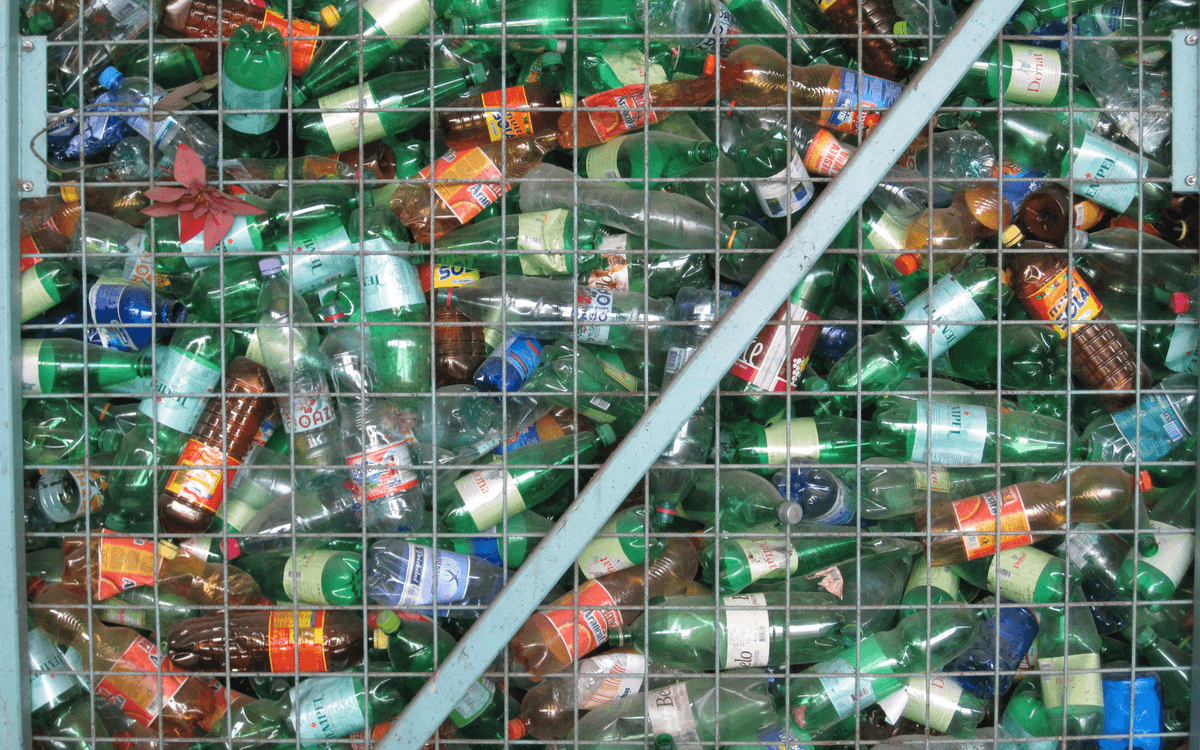
That illustrates the gap between a facility being technically able to process waste and a commercially viable circular supply chain. Plants cannot handle every polymer and contamination level. The material must be collected, sorted and transported, then processed and sold into a market willing to buy recycled plastic. Regional differences in transport costs and the value of competing raw materials affect whether this happens.
Processing also creates losses. The EEA describes an indicative yield of only about 65% of plastics recyclate from material entering mechanical-recycling facilities. Recycling capacity therefore should not be confused with final recycled output. A plant accepting 100 tonnes of material does not necessarily produce 100 tonnes of suitable secondary plastic.
Nor can the Commission's roughly 40 million tonnes of plastic waste generated annually be subtracted from the EEA's 13.2 million tonnes of mechanical capacity to calculate a simple shortfall. The figures measure different things, cover different reporting years and distinguish total generation from one type of processing. That arithmetic would obscure sorting, other treatment methods and material quality.
Exports are also much smaller than the EU's total plastic-waste stream. Eliminating 1 to 1.5 million tonnes of foreign shipments would not itself resolve how the remaining tens of millions of tonnes are handled. The policy's environmental value depends on whether usable material is collected cleanly, turned into dependable recyclate and purchased by manufacturers. Sending an additional consignment to an incinerator or landfill is not the same achievement as recycling it.
How to tell whether the prohibition works
Three developments will reveal the effect over 2026 and 2027: whether plastic exports are redirected toward OECD countries, whether actual processing volumes at European facilities increase, and whether the yield and quality of their output improves. Monitoring the destinations that remain eligible will matter as much as monitoring the places that are now closed to EU exporters.
The regulation gives the Commission responsibilities to assess major OECD importers and to respond to risks of environmentally harmful practices, including onward shipment to third countries. Oversight of these routes will determine whether the prohibition prevents displacement of environmental damage rather than simply rearranging trading patterns.
The Commission is also developing an authorisation system for non-OECD countries wishing to receive certain other non-hazardous waste after May 2027. That separate route does not reopen the plastic-waste trade. For plastics, any prospective return of non-OECD destinations from May 2029 would require an application and evidence of suitable environmental management.
The prohibition is therefore a clear change to Europe's responsibility for what it discards. Its success cannot be judged by a decline in export tonnage alone. The more revealing outcome will be verified increases in high-quality recycling, without shifting difficult waste into different export routes or less desirable treatment methods.