The European Commission unconditionally cleared UniCredit's proposed acquisition of Germany's Commerzbank on 16 November 2026, removing a major competition obstacle to the Italian lender's takeover plan. The approval does not mean the acquisition is complete or that UniCredit already exercises control. Other regulatory steps and decisions about how voting rights will be used remain outstanding.
The Commission examined the overlap between the banks in Germany, where UniCredit already operates through HypoVereinsbank. Corporate lending, particularly to the Mittelstand of mid-sized businesses, received close attention, alongside trade finance. Brussels concluded that alternative providers would continue to provide competitive pressure after the proposed transaction.
Why the Commission imposed no conditions
In most German retail and corporate banking markets, the authority assessed the combined shares as moderate. Trade finance was the notable exception: both banks hold strong positions in instruments such as letters of credit and guarantees. Even there, the Commission concluded that companies could turn to other private, public-sector, cooperative or international banks if the merged group reduced its offering.
The investigation also found sufficient competition for business loans to companies of different sizes, including medium-sized borrowers. The competition ruling therefore does not require the banks to divest assets or comply with merger-specific remedies. But a finding that competition will remain viable is not a guarantee about the eventual number of employees, branch locations, loan prices or the company's headquarters.
UniCredit notified the European Commission of the transaction on 9 October. Earlier, on 15 October, the European Central Bank authorised UniCredit to cross the 30% shareholding threshold and increase its stake further, according to UniCredit's own release. These are separate decisions. Prudential supervisors assess banking and ownership requirements, while the Commission examines whether a merger would significantly impede effective competition.
What remains unresolved in Germany
According to Germany's tagesschau on Monday, a regulatory approval from Poland is still outstanding. UniCredit says it has already received approval from the US Federal Reserve. Chief executive Andrea Orcel expects the remaining permissions by the end of November. That timetable is management's expectation, not confirmation that the transaction has closed.
Commerzbank's management has resisted the proposal. In a statement dated 7 April, the German bank said discussions had not shown sufficient additional value for its shareholders compared with its standalone strategy. It also said UniCredit had not offered what it considered an adequate takeover premium. That statement is historical context, rather than a fresh response from Commerzbank to Monday's decision.
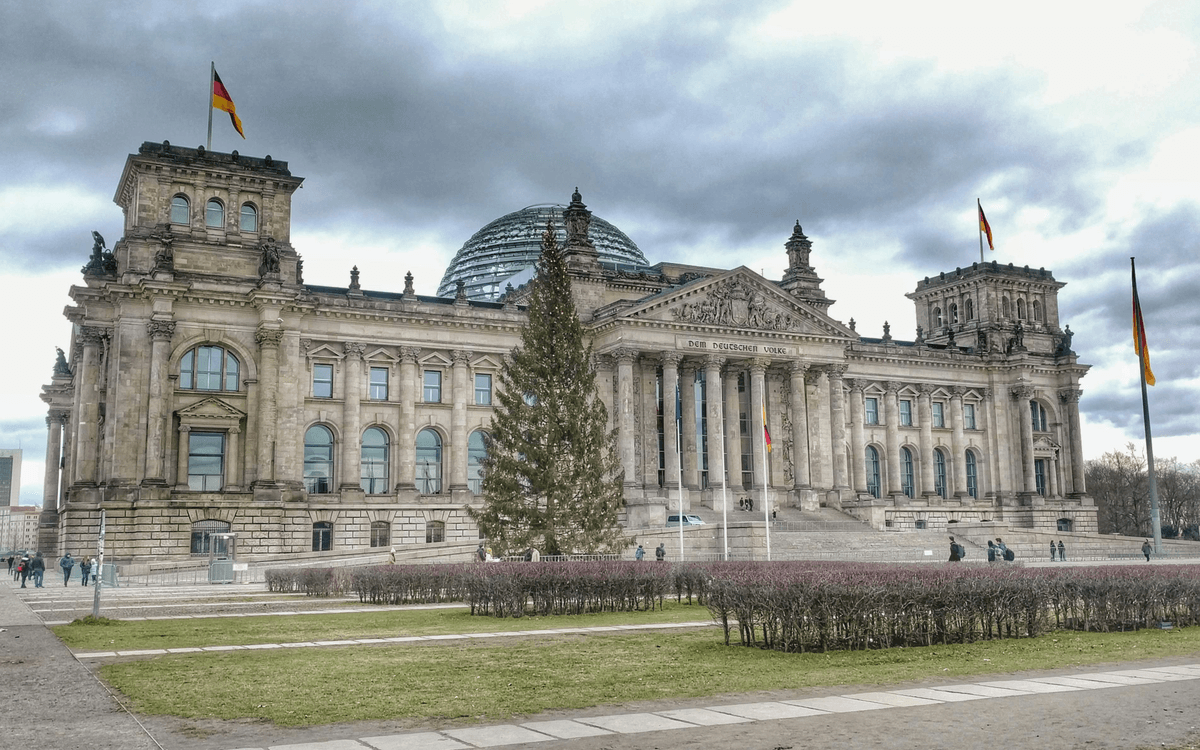
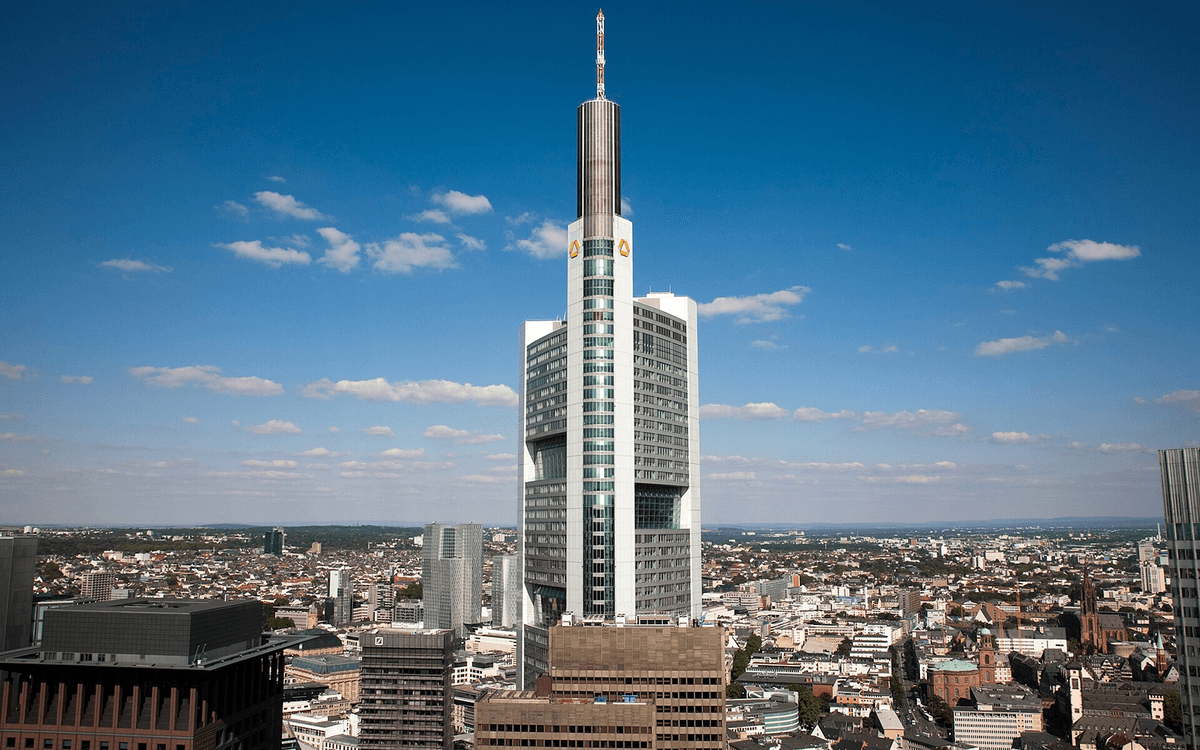
Germany's federal government still holds slightly more than 13% of Commerzbank, tagesschau reports. Finance Minister Lars Klingbeil wants the bank to keep its Frankfurt headquarters, retain its extensive Mittelstand business and avoid compulsory redundancies as far as possible. Those are government objectives; they were not imposed as formal conditions by the European Commission.
According to tagesschau, Orcel plans to seek an extraordinary shareholders' meeting in the first quarter of 2027 after gaining control, with possible changes to the supervisory board. The broadcaster also describes later integration plans involving cost savings and possible job reductions. These are reported intentions and potential future consequences, not immediate employment changes caused by the competition clearance.
Key facts
- 16 November 2026: the European Commission approved the proposed UniCredit-Commerzbank transaction without competition remedies.
- 9 and 15 October: the transaction was notified to the Commission on 9 October; ECB approval to cross 30% was announced on 15 October.
- Business lending: Brussels found continuing competition, including for loans to Germany's medium-sized companies.
- Still pending: tagesschau reports that Polish authorisation remains outstanding, and control has not yet been completed.
Customers' accounts, payment cards and online banking remain in their ordinary operating arrangements following the Commission decision. The next independently verifiable milestone is the completion of the remaining regulatory process. Only after that can the timing of actual control, board changes and any restructuring be assessed against what management and the German government have publicly said.