Estonia plans to close its three remaining road border crossings with Russia from 1 December 2026, Foreign Minister Margus Tsahkna announced on Sunday, 15 November. The move follows an attempted attack on Estonian drone manufacturer Threod Systems that officials attribute to Russia's GRU military intelligence service. The attribution is an assessment by Estonian security agencies, not a judicial finding.
The border measure has been announced but has not yet taken effect. Prime Minister Kristen Michal said he had instructed relevant officials to prepare the necessary steps. Authorities have not established a publicly confirmed end date. The decision would connect a domestic sabotage investigation with significant consequences for cross-border travellers, freight operators and the European Union's relationship with Russia.
Key facts
- Estonia's Foreign Ministry named 1 December as the intended start date in its 15 November statement.
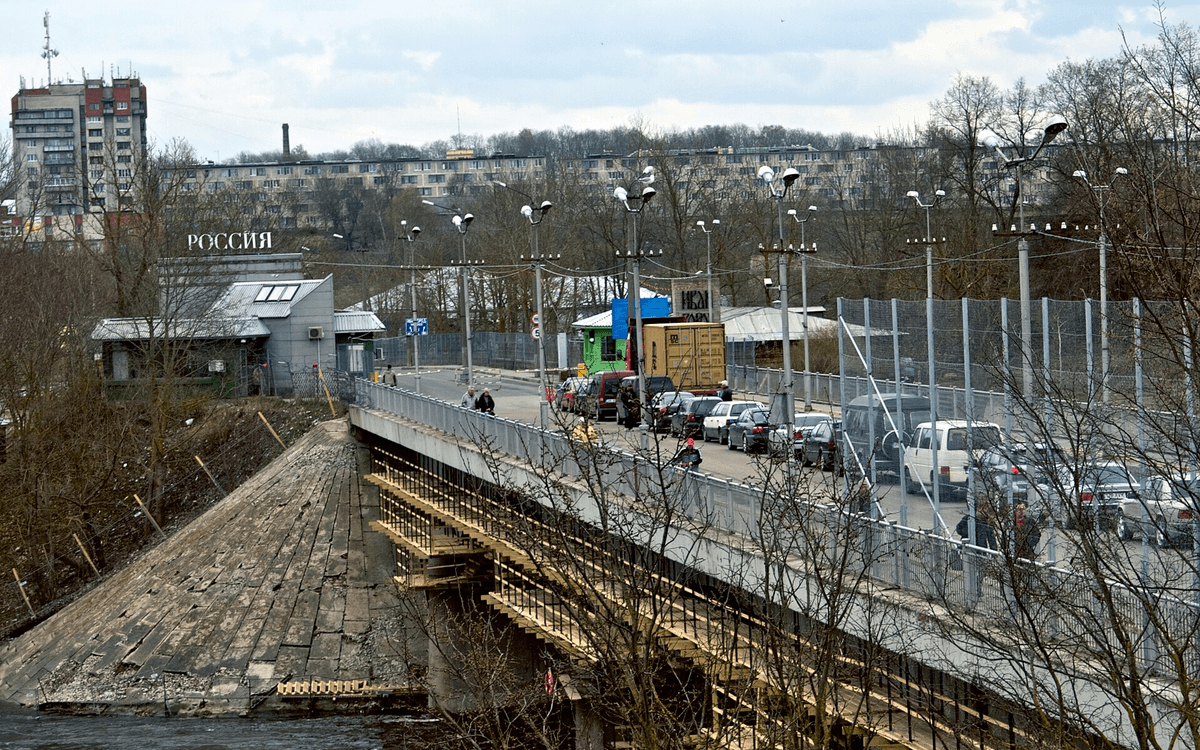
- The three road crossings concerned are Narva, Koidula and Luhamaa.
- Eight suspects were detained after the attempted attack on Threod Systems; prosecutors sought custody for five, according to Estonia's government.
- No one was injured and factory production and deliveries were unaffected, officials said. Their claim of GRU direction remains an intelligence assessment.
How the attempted attack led to a border plan
The incident took place early on Saturday at a Threod Systems building in Viimsi. According to Estonia's government, the attackers intended to trigger an explosion and set the premises alight. Precautions adopted by the company, together with police and security-agency responses, prevented damage to its operations. Officials said the suspects were residents of Latvia and that investigators were cooperating with Latvian security and prosecution services.
Estonia's Internal Security Service assesses that the attempt was ordered by Russia's GRU. The publicly released account has not yet been tested in court. In August, another Estonian defence company, Milrem Robotics, was targeted by an arson attack that the security service attributed to Russian intelligence in September. The government considers the cases part of a pattern targeting companies involved in military production and support for Ukraine.
Tsahkna said closing the crossings could both lessen security risks and reduce opportunities to evade sanctions. That is the government's stated policy rationale, not a measurable result already demonstrated by the announcement. As of Sunday, officials had not specified how long the restrictions would last, which exemptions might apply or the final procedures for people at the frontier. An investigation and a border policy decision also involve distinct legal processes.
The consequences for travellers and European partners
Narva is the northern crossing; Koidula and Luhamaa lie farther south. Pedestrians and freight still use the three routes, subject to restrictions already introduced in previous years. Closing them altogether would go beyond the existing limitations on hours and movement. The precise effect depends on the implementation order, including potential exceptional transport and entry categories.
For people with relatives on opposite sides of the border, the question is whether any travel remains possible under an exemption. For freight firms, practical issues concern existing permitted trade, routes and delivery obligations. A government announcement cannot itself establish that every crossing was already closed on 15 November. The detailed rules will be needed to distinguish the expected date of implementation from the current situation.
Tsahkna said he had contacted counterparts in Lithuania, Latvia and Finland and informed EU colleagues. He also intended to discuss further pressure on Russia at Monday's meeting of EU foreign ministers in Brussels, including sanctions and visa policy. Those conversations were prospective as of 15 November; they did not constitute a fresh EU-wide border decision.
Three developments now require separate verification: Estonia's formal instruments implementing the planned 1 December shutdown, the legal and evidential progress of the Threod investigation, and any coordinated measures agreed with European partners. The first will tell border users what to do; the second will test the sabotage allegations; and the third will show whether the response spreads beyond Estonia's national frontier.