Germany's parliamentary budget committee has sharply increased the amount planned for means-tested electric-car purchase grants in 2027. A Bundestag report published on 16 November 2026 says the allocation in the Climate and Transformation Fund (KTF) has risen from €803 million in the government's original proposal to €1.72 billion. The committee decision changes a budget plan; it is not yet a final federal budget or an automatic increase in the grant paid to an individual buyer.
The additional €917 million is to be financed within the fund. The planned transfer into the KTF reserve falls from €3.1 billion to €2.18 billion, according to the parliamentary report. Germany's finance ministry attributed the adjustment to stronger-than-expected demand for the purchase incentive. The overall size of the multi-year grant programme remains unchanged.
Key facts
- The 2027 line for means-tested new electric-car grants is now €1.72 billion, compared with €803 million in the government's draft budget.
- The €917 million difference is offset by a lower planned transfer to the climate fund's reserve.
- The committee-approved KTF plan envisages €39.33 billion of total expenditure in 2027.
- Existing grants depend on income, family size and vehicle type; the budget adjustment does not announce a higher payment for each eligible buyer.
More money for one year, not a new scheme
The government's earlier 2027 proposal had provided €803 million for socially graduated purchase grants. The comparable allocation for 2026 was €550 million. The committee's €1.72 billion figure is therefore above both the present year's amount and the executive's initial proposal for next year.
Those comparisons measure different things. The change from €803 million to €1.72 billion measures an amendment within the 2027 budget process. Comparing €1.72 billion with €550 million compares two different financial years. Neither figure tells an applicant how much assistance their household will receive.
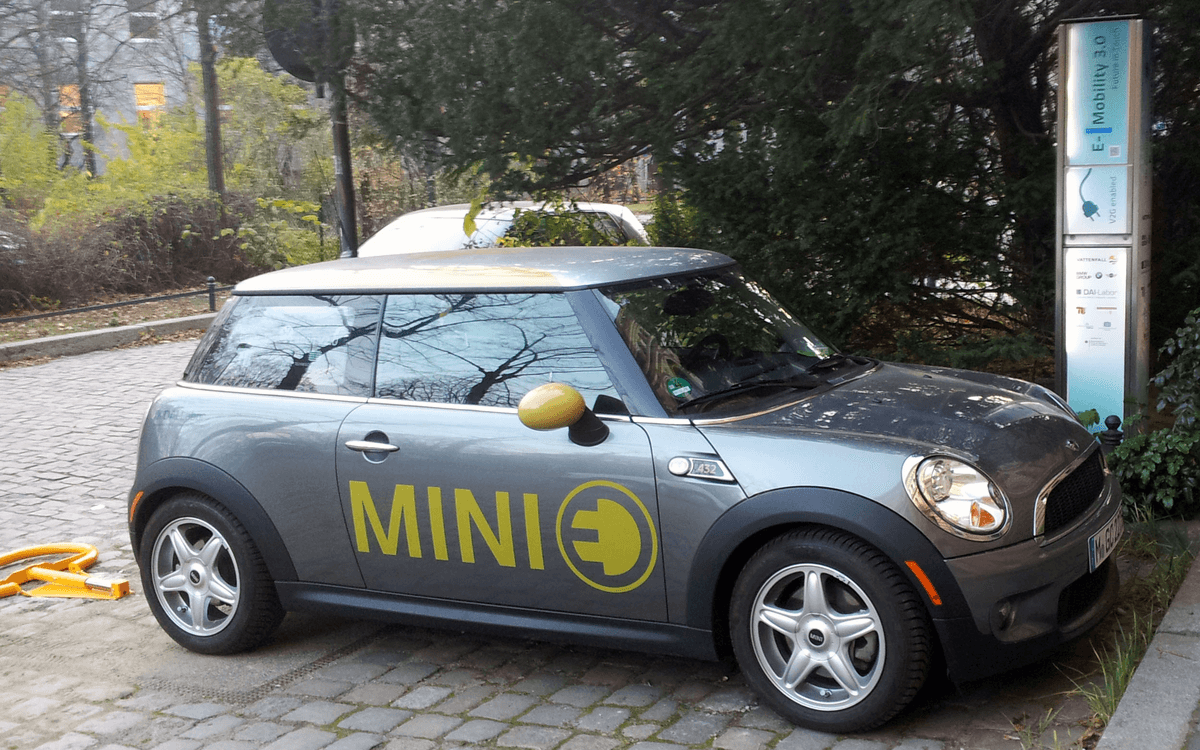
The environment ministry describes the existing incentive as a means-tested programme for newly registered vehicles. Both purchases and leases can qualify, subject to the detailed rules. Depending on the vehicle, taxable household income and number of children, support can reach €6,000. The ministry puts the programme's total funding at €3 billion over 2026-2029, with an original estimate that the money could help support about 800,000 vehicles.
The online application system opened on 19 May 2026, according to the ministry, and eligible new registrations can date from 1 January 2026. Those dates concern how the existing programme operates; they are separate from the committee's 2027 budget decision. Applicants must follow the current eligibility and documentation rules, not infer new entitlements from an aggregate spending figure.
That distinction also prevents a misleading reading of the announcement. A larger allocation may accommodate payments that officials expect to make during 2027. It does not establish an increase in the maximum grant, guarantee approval of every application or demonstrate that additional purchases have already occurred.
The climate fund trades reserves for near-term spending
The financing mechanism matters as much as the headline sum. The Bundestag report says the transfer earmarked for the reserve would be reduced from €3.1 billion to €2.18 billion. The change directs more of the fund's planned resources towards a particular grant line while changing what is set aside. It should not be described as an additional €917 million for the lifetime of the programme.
Other KTF priorities were also revised. The budget committee added €350 million to the line for building energy efficiency and renewable energy measures, taking it to €12.91 billion. Total planned KTF spending for 2027 now stands at €39.33 billion, or €390.59 million above the government draft. Against the €34.80 billion budgeted for 2026, the committee figure is €4.52 billion higher, approximately 13%.
The fund's many spending lines cover different purposes, from building refurbishment to industrial transformation. That is why an individual allocation should be understood within the wider plan: changing the mix of expenditure and reserves is not the same as increasing every programme's budget or extending all benefits.
The remaining steps are political and administrative. Parliament still has to settle the final budget, and actual demand in 2027 cannot be calculated from the committee's vote alone. The measurable development on 16 November is the amended spending plan, not a verified count of cars sold because of it. For households, the present grant conditions still determine eligibility until the relevant rules change.