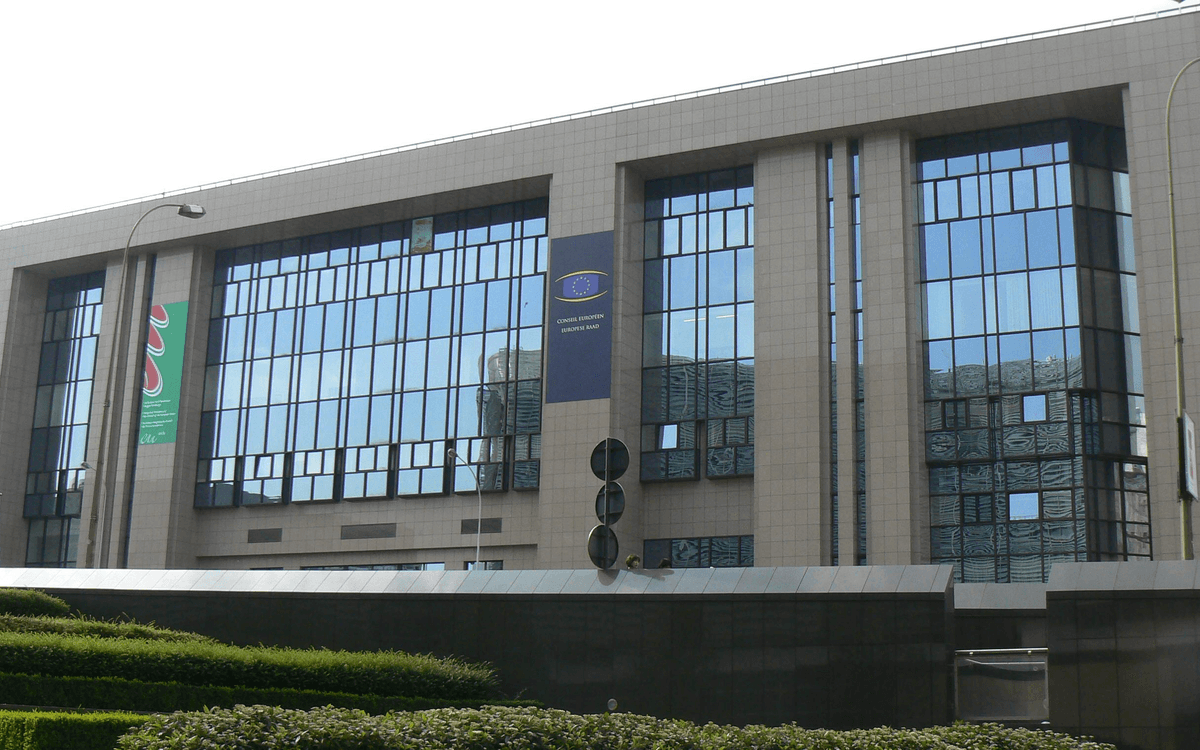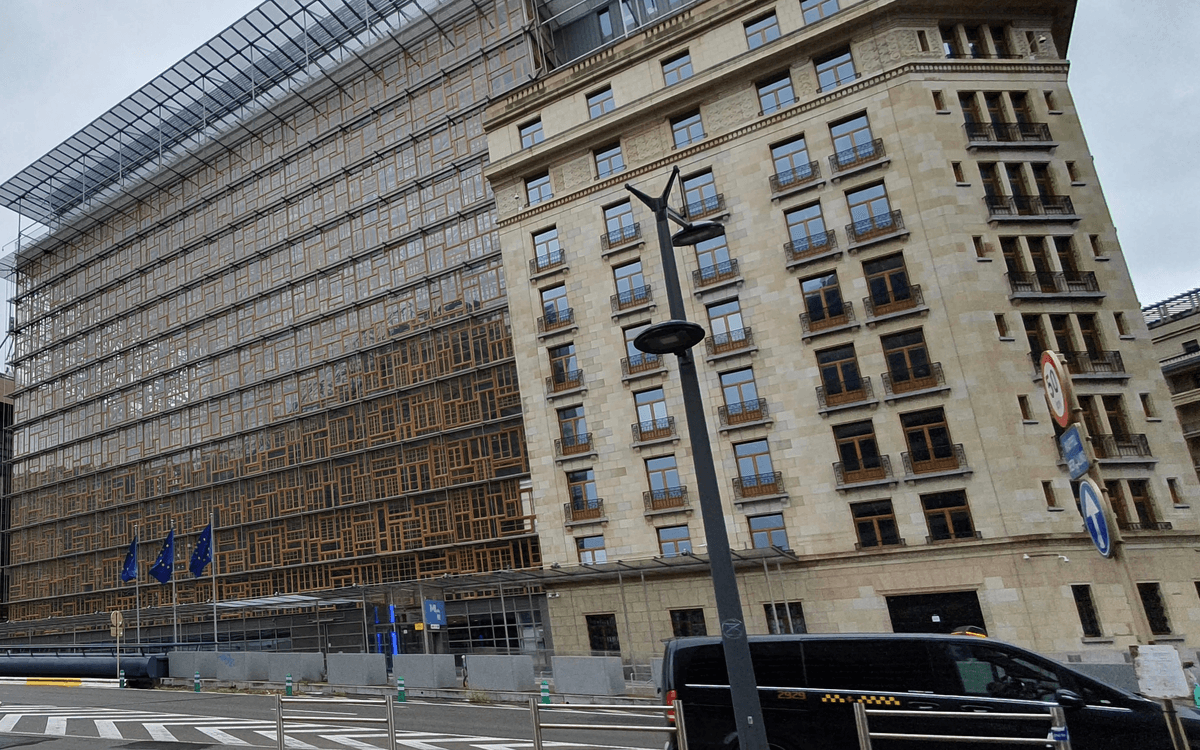
Germany has rallied support for stronger European copyright rules for artificial intelligence, Culture Minister Wolfram Weimer said after a meeting of EU culture and media ministers in Brussels on 20 November 2026. According to Berlin, 14 other EU member states backed a call for the European Commission to present a legislative proposal as soon as possible. The announcement marks a political initiative, not the adoption of a new EU copyright law.
The demand focuses on how authors and other rightsholders can find out when protected material is used to train AI systems and how they might be compensated. Germany wants greater transparency about training data and better ways to enforce rights. There is no agreed legislative text or confirmed implementation date attached to the announcement.
How the campaign fits the rules already in force
EU copyright law already contains exceptions covering automated analysis of text and data. Under Article 4 of the 2019 Directive on Copyright in the Digital Single Market, rightsholders can expressly reserve their rights against certain commercial text-and-data-mining uses. The practical difficulty is not just the existence of a legal opt-out: developers must be able to discover and respect the reservation, while creators need a way to identify whether it is observed.
On 13 July 2026, the European Commission published a feasibility study on an EU-wide register of text-and-data-mining opt-outs. It examined work identifiers, digital fingerprints and associated metadata to make those reservations easier to express and detect. The study suggested that a register could complement existing systems. It did not itself create a binding register, a general licensing scheme or a new fee payable for all AI training.
That distinction helps explain the pressure from Germany. Publishers, photographers, musicians and other creative businesses want more predictable ways to protect and license their works. Developers need to determine whether material can be used lawfully and how permissions can be checked at scale. Neither a figure for future compensation nor a measurable effect on model development has been established by the latest political request.
Weimer said Germany favours rules that protect creators while allowing lawful AI innovation. This is the German government's stated position. It should not be mistaken for a Commission proposal already filed, much less a regulation approved by the European Parliament and the Council.
What EU ministers actually decided in Brussels
The Council's account of its 20 November session lists copyright protection in the age of AI among items raised under other business. It does not record the adoption of new AI copyright requirements. An accompanying Council document identifies a separate group of 14 countries including Germany; that roster should not automatically be equated with Berlin's description of 14 other countries supporting its request. The two documents describe differently framed initiatives.
Other parts of the Council agenda were at different procedural stages. Ministers held their first discussion of the proposed EU KIDS ACT after a progress report from the Irish presidency. They discussed children's online safety, privacy, access and communication rights, and safety-by-design duties for providers. The session did not deliver final agreement on that regulation.
By contrast, ministers approved a resolution establishing the EU Work Plan for Culture for 2027-2030. It sets priorities for cooperation in culture and creative industries. Such a work plan is not a direct legal obligation on AI companies to pay additional royalties. Germany also described a preference for revisiting audiovisual media rules, but these policy aims should not be confused with laws already enacted.
Key facts
- 20 November: Germany said 14 other EU members supported a request for an early Commission proposal on copyright and AI.
- Existing law: The 2019 EU copyright directive already allows certain rightsholders to reserve their rights against commercial text-and-data mining.
- Council outcomes: Ministers discussed the proposed EU KIDS ACT and approved the 2027-2030 EU cultural work plan.
- Still pending: No new binding AI copyright remuneration law or implementation timetable resulted from the appeal.
The next substantive decision belongs to the European Commission: whether to introduce a formal proposal, and what obligations it would contain. Any legislation would then need to follow the applicable EU process. Until that stage, the coalition changes the political pressure on Brussels rather than directly changing the legal position of creators or AI developers.