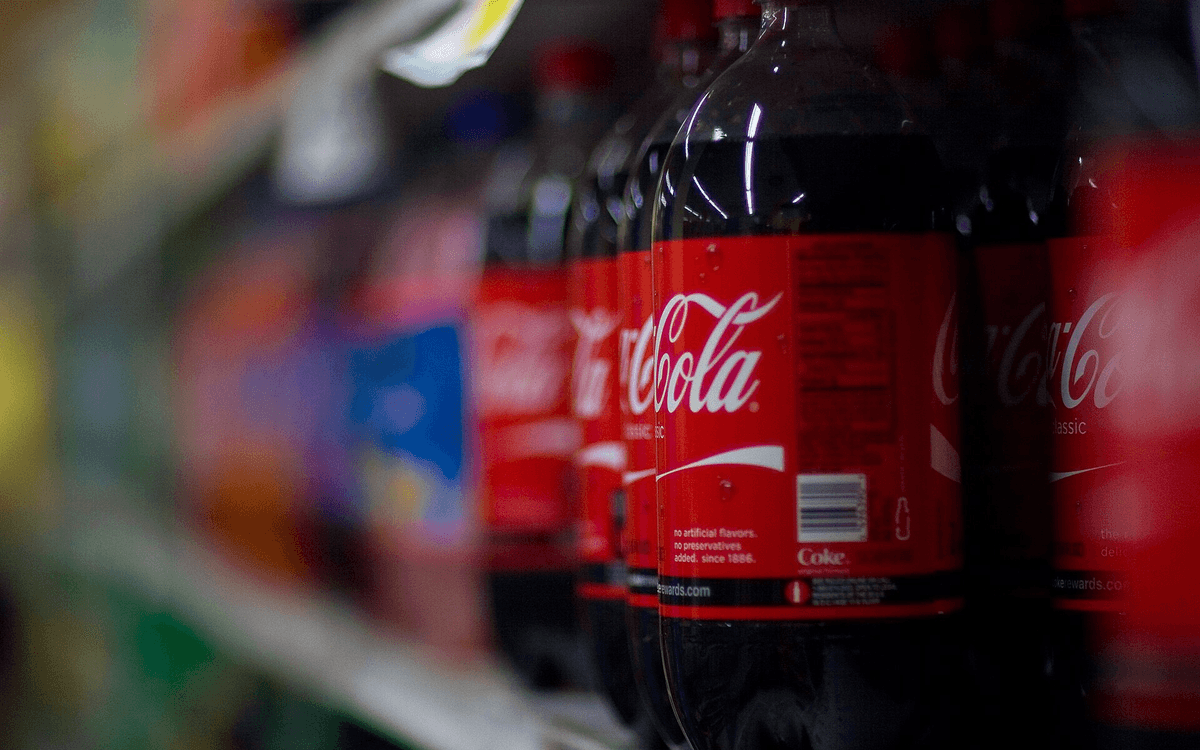
The European Commission opened a formal antitrust investigation into Coca-Cola Europacific Partners (CCEP) on 23 November 2026, examining whether the UK-headquartered bottler may have obstructed cross-border sales of soft drinks and prevented wholesale customers from negotiating purchases across several European Union countries. Opening the inquiry is not a finding that the company has broken competition law.
The questions concern possible conditions attached to wholesale discounts, different packaging for national markets and restrictions on coordinated procurement by retailers. Reuters and Italian news agency ANSA reported details of the Commission's concerns on Monday. CCEP separately acknowledged the inquiry in a statement filed with the US Securities and Exchange Commission on the same day and said it would cooperate.
Key facts
- The formal inquiry began on 23 November 2026. No infringement decision or fine has been announced.
- The eight markets identified in reporting are Belgium, France, Germany, Luxembourg, the Netherlands, Portugal, Spain and Sweden.
- Investigators are examining potential export restrictions tied to discounts and obstacles to joint purchasing across borders.
- CCEP says it takes competition obligations seriously and will engage with the Commission, while declining detailed comment on the allegations.
Why restrictions on cross-border buying matter
Different retail prices in different EU countries are not, by themselves, proof of an antitrust violation. The key question is whether a company in a dominant position has made it harder for supermarkets, wholesalers or other buyers to source goods in a cheaper national market and resell them elsewhere. The single market is designed to allow goods to move between member states. Conditions that effectively separate national markets can undermine that objective, depending on the facts and applicable competition rules.
According to the published accounts, investigators are considering several possible mechanisms. Discounts on bulk purchases of carbonated drinks and sports beverages may have been linked to a commitment not to export the products into other member states. Distinct bottle or package sizes might have complicated cross-border resale. The inquiry also concerns alleged incentives to limit imports into Spain and the possibility that retailers were forced to bargain with CCEP separately in each country rather than negotiating shared terms for multiple markets.
These are allegations under examination, not established business practices. Nor has the Commission yet shown that consumers paid any specific additional amount because of them. The potential economic effect is nevertheless clear: a retailer unable to shop across borders or consolidate orders may have less leverage over suppliers. Such restrictions, if substantiated, could reduce price competition and limit choices in a market for widely distributed branded beverages.
The eight-country scope and the company's response
Germany sits among the eight countries mentioned, alongside Belgium, France, Luxembourg, the Netherlands, Portugal, Spain and Sweden. CCEP is a major bottling and distribution partner for products carrying Coca-Cola brands, but it is legally distinct from The Coca-Cola Company, the US-based owner of those brands. The investigation focuses on the European bottler's conduct, not a general finding against every Coca-Cola-branded product or seller.
In its 23 November SEC filing, CCEP acknowledged that the European Commission had opened a formal investigation into certain company practices. It said it was committed to complying with competition rules in every market where it operates, would cooperate with the inquiry and did not intend to comment further at this stage. The filing described its wider business as serving customers across 31 countries, which should not be confused with the eight EU markets relevant to this case.
A formal investigation permits closer scrutiny of suspected conduct, but it does not automatically change contracts, set prices or impose sanctions. Authorities must examine actual agreements, market conditions and the company's position before they can determine whether rules were infringed. Even the assessment of dominance is an issue for the evidence, not a conclusion that follows merely from the size of a familiar consumer brand.
There was an earlier procedural step: the Commission carried out unannounced inspections in the soft-drinks sector in March 2025, according to ANSA's account. Those inspections were not a legal verdict, and the November announcement moves the matter to a more explicit investigative phase. They should not be combined into a claim that a violation has already been proved.
The next stage is for investigators to review material and assess whether any suspected conditions actually restricted trade and competition. There is no confirmed completion date. Supermarkets and customers should not assume that the announcement itself triggers lower prices or changes to supply terms. Any binding remedies, commitments or penalties would require later procedural steps and findings.