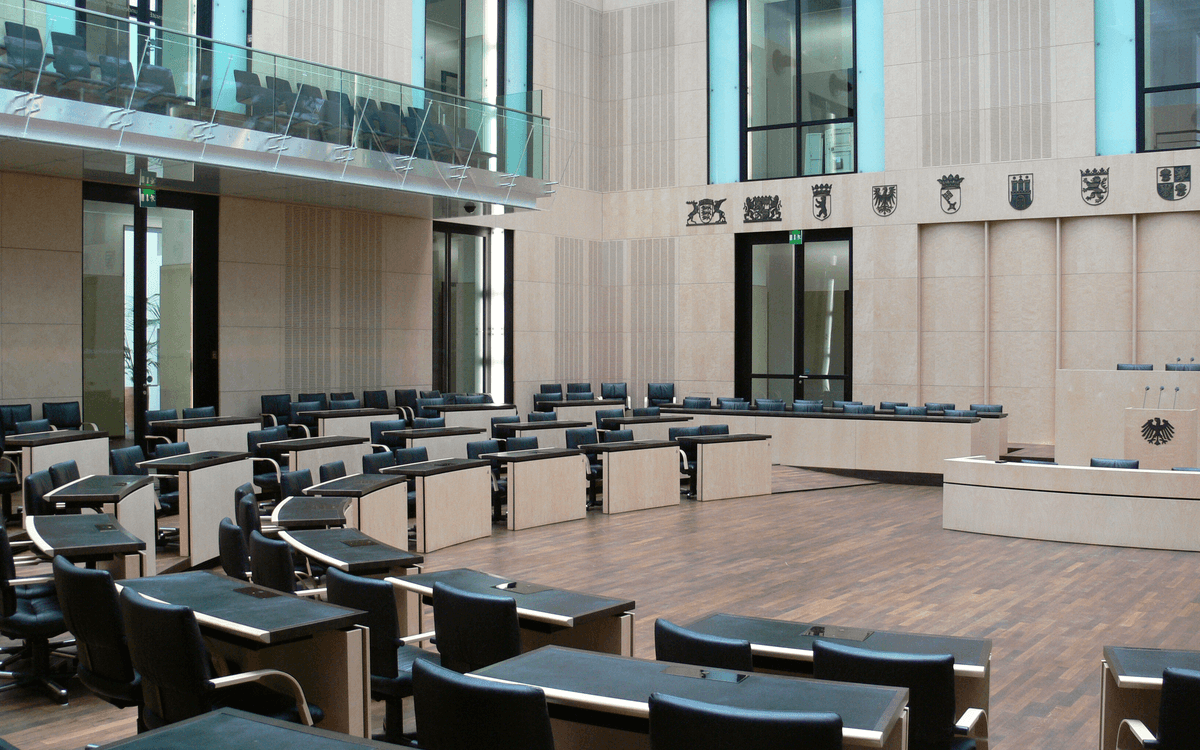
Germany's Bundesrat approved the country's new early-start pension scheme, the Frühstartrente, on Friday, 20 November 2026. The vote clears the final parliamentary hurdle for state contributions of €10 a month to children's long-term retirement savings. Implementation is planned for early 2027, starting with children born in 2020. The money is not an immediate family benefit: under the published rules, the subsidised savings are generally locked away until at least age 65.
Key facts
- The upper chamber approved the scheme on 20 November after the Bundestag passed it on 16 October 2026.
- The state contribution is €10 a month during the eligible period from age six to 18, equivalent to up to €1,440 over a complete 12-year contribution period.
- Children born in 2020 are the first eligible cohort, with the support intended to count retroactively from January 2026 even though the law is expected to take effect in early 2027.
- Parents may open a personal investment account, while children without one are covered by a collective investment arrangement managed by Germany's central bank.
Where the monthly contribution goes
The scheme is designed to introduce children to capital-market savings, not increase current statutory pension payments. Eligible children whose principal residence is in Germany will receive a €10 monthly state contribution into a retirement investment account. Those born in 2020 turn six in 2026, and each subsequent year another six-year-old cohort is to become eligible. Older school-age children are not automatically entitled to missed years of subsidy.
Ten euros a month equals €120 a year. Over twelve full years, that totals €1,440 in public contributions before any investment return or loss. The total is a contribution figure, not a guaranteed future account balance. Actual value will depend on market performance, fees and how long the investments remain untouched.
Parents can open a qualifying pension investment account for their child with a private provider and make voluntary additions. The Bundestag's finance committee said private top-ups may amount to as much as €6,840 in a year. That number is a contribution ceiling, not a further government grant, and families are not required to pay anything beyond the state support. The subsidy is intended to flow through the provider without a separate annual parent application.
Children whose parents do not open an account should not lose the benefit. Instead, their entitlement will be invested collectively in a dedicated public fund managed by the Bundesbank. During parliamentary scrutiny, the finance committee specified that this pooled money should go exclusively into diversified global shares or equity funds. According to the government, an individual can transfer their collective entitlement into a qualifying personal retirement contract up to age 35.
Why returns and fees matter more than the headline amount
A small contribution can grow over a long period, but a forecast is not a payout promise. In its illustration, the federal government assumed an average nominal annual return of 7%. Under that assumption, €1,440 of contributions might be worth roughly €2,200 by age 18 and around €53,000 by retirement if reinvested. Market losses, inflation and different costs can produce substantially different outcomes. Families should not treat those numbers as government-guaranteed retirement balances.
Fees matter especially when monthly deposits are small and funds remain invested for decades. Rules described by public broadcaster ZDF envisage an effective cost cap of 1% and no sales or acquisition charges before the child turns 18. Providers may offer cheaper products, but the eventual market cannot be judged from the law alone. Returns during the saving phase are intended to be tax-free; private additions by parents do not receive an additional tax subsidy under this child-specific scheme.
Importantly, the state-supported savings are earmarked for retirement. The published design normally prohibits payout before age 65. The account is therefore not a replacement for child benefit or an unrestricted fund for university fees, a first home or other expenses. This limitation is central to understanding who benefits and when.
What still has to happen
The Bundesrat vote completes the parliamentary stage, but accounts, certified products and the administration of the collective investment scheme must be operational before families can assess actual choices. The government envisages the scheme starting in early 2027, with contributions credited retrospectively from January 2026 for the first cohort.
ZDF reports projected federal costs of €198 million in 2027, rising to €411 million annually by 2030. Those are spending projections rather than money already paid to families. The next practical tests will be the availability and prices of qualifying accounts, implementation guidance and the handling of the first cohort's retroactive contributions.